Energy efficient homes are gaining prominence in the real estate market, offering significant advantages for sellers. Key benefits include financial savings, increased property value, and enhanced appeal to environmentally conscious buyers through optimized energy usage, premium features like insulation and smart thermostats, and reduced carbon footprints. This trend is driven by borrowers prioritizing energy efficiency as a long-term investment, particularly among millennials and Gen Z buyers seeking sustainable living options. Core strategies for sellers include assessing property for energy savings potential, renovations like insulation upgrades, replacing windows, and installing skylights, as well as integrating smart technology. Marketing these homes effectively involves showcasing tangible benefits and partnering with specialized mortgage lenders to appeal to eco-conscious buyers and lenders.
In today’s market, selling a home involves more than just attracting buyers; it demands a strategic approach that addresses their evolving needs and concerns. As environmental awareness grows, energy-efficient homes have emerged as a top priority for many prospective purchasers. This presents a significant opportunity for sellers to enhance their property’s appeal and command higher prices in the process. However, navigating the complexities of energy efficiency can be daunting. This article provides an authoritative breakdown of actionable strategies tailored for sellers, offering clear guidance on transforming conventional homes into energy-efficient havens that naturally attract today’s environmentally conscious buyers.
Understanding Energy Efficient Homes: Benefits for Sellers
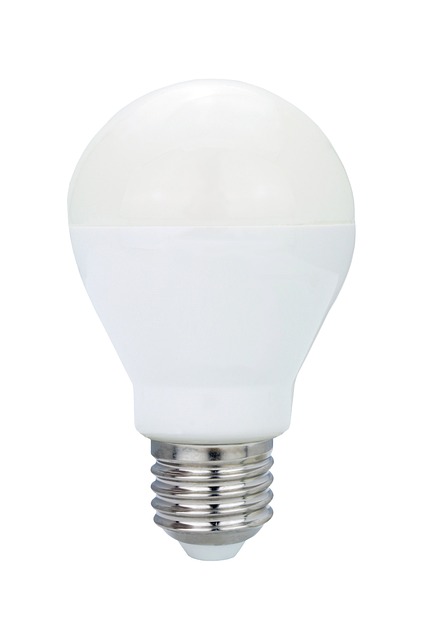
Energy efficient homes are rapidly gaining prominence in today’s real estate market, presenting significant advantages for sellers looking to attract modern buyers and capitalize on emerging trends. The benefits extend beyond environmental sustainability; they offer financial savings, increased property value, and enhanced appeal to a growing segment of conscious consumers. These homes are designed to optimize energy usage, reducing utility bills and carbon footprints simultaneously.
One of the key advantages for sellers is the potential for substantial financial gains. Energy efficient homes can command premium prices due to their attractive features and long-term cost savings. According to recent studies, properties with energy-saving amenities often sell at a 5-10% higher price point compared to similar, less eco-friendly alternatives. This trend is driven by borrowers who are increasingly prioritizing energy efficiency as a standard feature, viewing it as an investment that pays off over time. The interest of these borrowers in energy efficient homes borrower requirements underscores the need for sellers to prioritize insulation, efficient appliances, smart thermostats, and renewable energy sources, all of which contribute to lower energy consumption and higher resale value.
Furthermore, energy efficiency offers sellers a competitive edge in an increasingly environmentally conscious market. Homebuyers, especially millennials and Gen Z, are actively seeking sustainable living options. By marketing their properties as eco-friendly and energy efficient, sellers can tap into this growing demand and attract a wider pool of interested buyers. This shift is reflected in various surveys that show a majority of potential homeowners willing to pay more for homes with energy-saving features. Understanding these trends empowers sellers to position their properties as not just desirable but as responsible investments that offer both financial security and environmental benefits.
Assessing Your Property for Energy Savings Potential
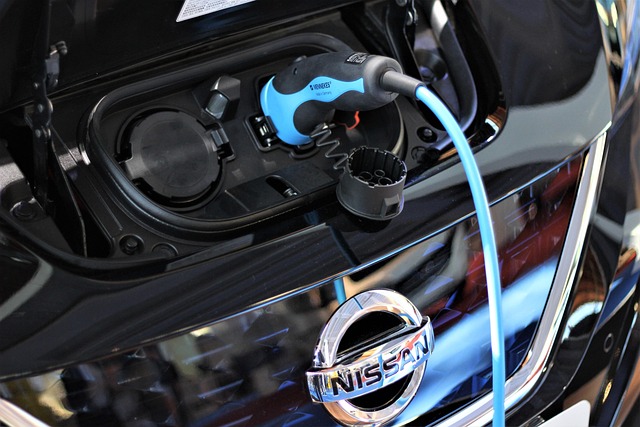
Assessing your property for energy savings potential is a crucial step in preparing your home for the market, especially when targeting energy efficient homes buyers. This involves a thorough inspection to identify areas where energy efficiency can be enhanced, which can significantly impact both the appeal and value of your property. According to recent data, making energy-efficient upgrades can increase home values by 10% or more, making it a smart investment for sellers.
Start with a comprehensive audit, examining the building envelope, heating and cooling systems, insulation, lighting, and appliances. The building envelope, including walls, windows, and doors, is a primary area for improvement. Older homes may benefit from adding insulation to attics and walls or replacing single-paned windows with energy-efficient models. Advanced technologies like low-e glass can further reduce heat transfer, resulting in substantial energy savings. For instance, an energy efficient home might feature double-pane, argon-filled windows that offer better insulation than traditional options.
Heating and cooling systems are another critical component of energy efficiency. Upgrading to a high-efficiency furnace or air conditioner can significantly reduce utility bills for both the current owner and the future borrower. Energy Star-rated appliances are also essential; they meet strict energy performance standards, ensuring your home appeals to environmentally conscious buyers and those looking for lower operating costs. By incorporating these upgrades, sellers can position their properties as top choices among energy efficient homes borrowers, who increasingly prioritize sustainability and cost savings. Remember that each region’s climate and local building codes will play a role in the specific recommendations, so consult with professionals for tailored advice.
Smart Upgrades: Essential Improvements for Energy Efficiency

In today’s market, sellers looking to maximize their return on investment must prioritize smart upgrades that not only enhance property value but also cater to the growing demand for energy-efficient homes. Energy efficient homes have become a top priority for borrowers, with a significant portion of potential buyers actively seeking out properties that offer reduced utility costs and a smaller environmental footprint. According to recent studies, homes certified as energy efficient sell at a premium, sometimes up to 17% higher than their non-energy efficient counterparts. This underscores the importance of incorporating energy-saving features during renovations or new construction to attract discerning buyers and meet borrower requirements for sustainable living.
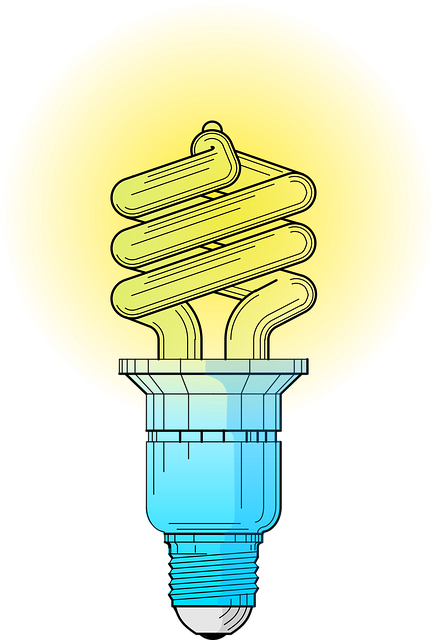
One of the most effective strategies involves integrating smart technology that automates and optimizes home systems. For instance, programmable thermostats can adjust temperature settings based on occupancy, leading to substantial energy savings without compromising comfort. Smart lighting systems, leveraging LED bulbs and motion sensors, ensure lights are only activated when needed, reducing electricity consumption by up to 75%. Additionally, energy-efficient appliances not only lower utility bills but also contribute to a home’s overall appeal for eco-conscious borrowers. When considering energy efficient homes borrower requirements, it’s essential to understand that these upgrades not only meet current regulations but anticipate future standards, ensuring long-term value and competitiveness in the market.
Beyond smart technology, focused renovations on key areas can yield significant returns. Improving insulation, for example, can reduce heat loss in winter and heat gain in summer, leading to a 10-30% drop in heating and cooling costs. Replacing old windows with energy-efficient models or installing skylights to maximize natural light can further enhance energy efficiency without breaking the bank. According to the U.S. Department of Energy, homes with proper insulation and high-performance windows use up to 20% less energy than those lacking these features. By strategically incorporating such upgrades, sellers not only increase their home’s value but also cater to borrower requirements for energy efficient homes, making their properties more desirable in today’s competitive market.
Insulation and Air Sealing: Creating a Solid Foundation

Insulation and air sealing are fundamental pillars in creating energy-efficient homes, serving as a solid foundation for overall home performance. Effective insulation reduces heat transfer, keeping interiors comfortable while minimizing the load on heating and cooling systems. Start with understanding your climate; different regions necessitate specific insulation types and R-values. For instance, attics in colder climates require higher R-values to prevent heat loss, whereas walls in warmer areas may benefit from reflective barriers to combat heat gain.
Air sealing goes hand in hand with proper insulation. Sealing gaps and cracks around windows, doors, and electrical outlets prevents warm air from escaping during winter and hot air from entering during summer. This simple yet powerful step significantly enhances a home’s energy efficiency. Consider using caulk or spray foam to fill hard-to-reach spaces, ensuring no drafts or leaks unduly affect indoor comfort.
Energy efficient homes not only benefit the environment but also offer significant financial advantages for borrowers. According to recent data, homes with superior insulation and air sealing can achieve energy savings of 20-50% compared to less efficient counterparts. These savings translate directly into lower utility bills for occupants, making energy-efficient homes increasingly attractive to borrowers in today’s market. When preparing a home for sale, prioritizing these improvements can elevate its appeal to potential buyers, who are growing ever more conscious of sustainability and long-term cost savings.
For sellers, investing in insulation and air sealing is a strategic move that demonstrates a commitment to energy efficiency. It can also help meet borrower requirements for sustainable homes, which are gaining prominence in the financing sector. By taking proactive measures now, sellers position their properties favorably against competitors, ensuring they stand out as exceptional choices for borrowers seeking both comfortable living spaces and environmentally responsible investments.
Exploring Renewable Energy Sources for Homes
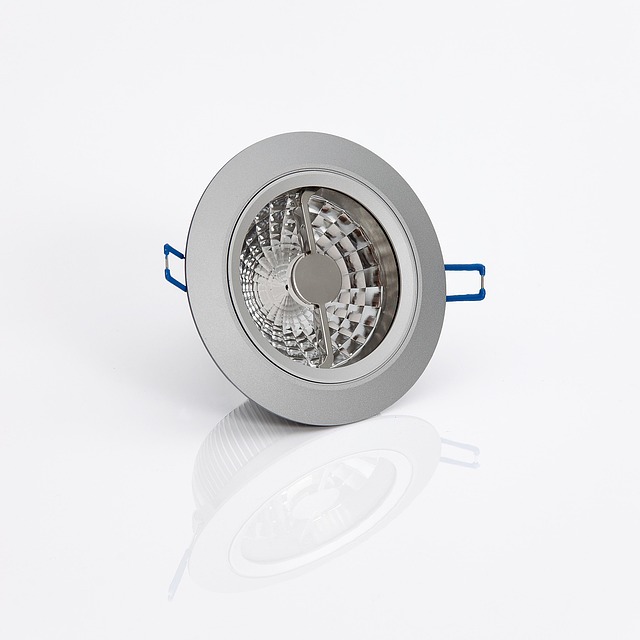
In today’s market, buyers are increasingly seeking energy efficient homes as a way to reduce utility costs and their environmental impact. For sellers looking to attract these discerning buyers, exploring renewable energy sources can be a significant advantage. Integrating sustainable energy practices not only enhances the home’s appeal but also positions it as a cutting-edge offering in a competitive real estate landscape. This shift towards energy efficient homes is reflected in recent trends, with data showing that homes featuring green building features sell for 5-10% more than comparable properties.
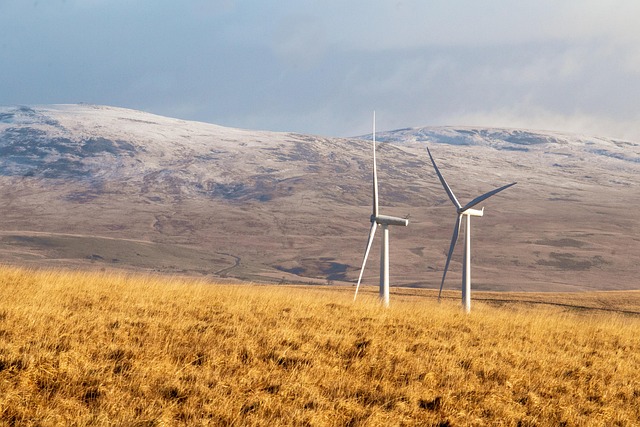
One of the most promising avenues for sellers to consider is renewable energy sources like solar and wind power. Solar panels, for instance, have become increasingly affordable and efficient, allowing homeowners to generate their own electricity from the sun. According to the U.S. Energy Information Administration, a typical residential solar panel system can save a family up to $100 per month on utility bills. Moreover, many lenders are now offering specialized mortgage programs tailored to energy efficient homes, with borrower requirements focusing on long-term savings and reduced carbon footprints. These programs often provide more favorable terms, including lower interest rates and flexible down payment options, making the transition to renewable energy sources even more appealing for both sellers and buyers.
Implementing renewable energy solutions requires careful planning and expert guidance. Sellers should engage professionals who can assess their property’s suitability for various technologies, such as solar panels or small-scale wind turbines. These experts can also help navigate local regulations and permits, ensuring compliance without compromising the project’s integrity. Additionally, leveraging tax incentives and rebates available for energy efficient homes can significantly offset the initial installation costs, making renewable energy sources a financially prudent choice. By embracing these strategies, sellers not only enhance their properties’ value but also contribute to a more sustainable future.
Marketing Your Energy-Efficient Home to Attract Buyers
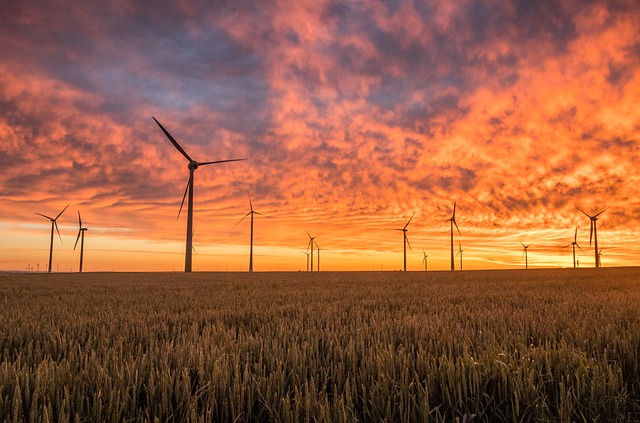
Marketing your energy-efficient home to attract buyers requires a strategic approach that highlights its unique selling points. In today’s market, energy efficiency is a significant factor for many prospective purchasers who are environmentally conscious and looking to reduce utility costs. Positioning your property as an eco-friendly haven can be a powerful strategy to gain an edge over the competition.
Start by showcasing the tangible benefits of your home’s energy efficiency. This could include displaying energy bills that demonstrate lower consumption compared to similar properties, or highlighting specific features such as advanced insulation, energy-efficient appliances, and smart thermostats. For instance, according to the U.S. Department of Energy, homes with proper insulation can save up to 20% on heating and cooling costs. Such data points will resonate with buyers who are keen to save money and reduce their carbon footprint. Ensure your marketing materials emphasize how these features contribute to a more comfortable living environment while being kind to the environment.
To further engage potential borrowers, consider partnering with local mortgage lenders who specialize in energy-efficient home loans. These financial institutions understand the unique requirements of such properties and can offer tailored financing options. For example, some lenders may provide incentives or reduced interest rates for homeowners implementing post-purchase energy efficiency upgrades. By marketing your home as an investment not just for buyers but also for lenders catering to their specific needs, you create a compelling narrative that resonates with both parties. This approach ensures that your property stands out not only for its environmental benefits but also for the financial advantages it offers in the long run.