Energy efficient homes naturally reduce utility bills by 30% and greenhouse gas emissions through strategic construction, efficient appliances, and smart use of natural resources. Key design features include insulated walls, high-efficiency windows, and renewable energy sources. Borrowers benefit from government incentives, grants, and tax credits, despite higher upfront costs. Regular maintenance ensures peak efficiency, enhancing environmental and financial benefits.
Energy efficient homes have emerged as a vital component in the global pursuit of sustainable living and reduced carbon footprints. As property owners increasingly seek cost-effective and environmentally friendly solutions, understanding the potential of energy-efficient practices becomes paramount. This comprehensive report aims to demystify the concept, highlighting its significance and offering practical insights into transforming residential spaces into efficient, eco-conscious abodes. By exploring innovative technologies, design strategies, and proven methods, we empower property owners to make informed decisions, ultimately contributing to a greener future.
Understanding Energy Efficient Homes: The Basics
Energy Efficient Homes: Unlocking Savings and Sustainability
Understanding the fundamentals of energy efficient homes is a crucial step for property owners looking to reduce costs, minimize their environmental impact, and potentially increase their home’s value. These homes are designed to optimize energy performance through strategic construction practices, efficient appliances, and intelligent use of natural resources. This approach not only lowers utility bills but also contributes to broader sustainability goals by reducing greenhouse gas emissions. Key aspects include proper insulation, high-performance windows, and energy-efficient HVAC systems. For instance, according to the U.S. Department of Energy, homes built to strict energy efficiency standards can save up to 30% more energy than traditional construction.
When considering energy efficient homes, borrowers should be aware of specific requirements that often accompany these mortgages. Lenders may impose additional guidelines or criteria based on local regulations and market conditions, ensuring the implemented measures meet certain efficiency thresholds. These requirements typically focus on achieving a balance between enhanced energy performance and manageable upfront costs for homeowners. For example, some programs incentivize comprehensive retrofits by offering below-market interest rates or forgivable loans for eligible improvements such as new insulation, advanced HVAC systems, and efficient water heaters. Borrowers can benefit from these opportunities by working with lenders who specialize in green financing to navigate the process effectively.
The benefits of energy efficient homes extend far beyond immediate cost savings. They contribute to a healthier environment by reducing the carbon footprint associated with residential energy consumption. Moreover, homeowners with modern, well-insulated, and efficiently designed spaces often experience improved indoor air quality, leading to better overall health and comfort. As the real estate market continues to evolve, incorporating these principles into property ownership becomes increasingly strategic. Embracing energy efficiency is not just a responsible choice; it can also be a significant asset for borrowers in terms of long-term financial savings and potential resale value appreciation.
Designing for Energy Savings: Building Strategies

Designing energy efficient homes has become a paramount focus for property owners seeking to reduce environmental impact and lower utility costs. This strategy involves integrating building materials, architectural principles, and systems that minimize energy consumption. For instance, properly insulated walls and roofs can significantly decrease heating and cooling demands, while high-efficiency windows let in natural light while reducing heat transfer. Additionally, incorporating solar panels or other renewable energy sources can further enhance energy efficiency, making these homes more sustainable and attractive to environmentally conscious borrowers.
One of the key aspects of designing for energy savings is selecting energy-efficient appliances and systems. This includes everything from smart thermostats that optimize heating and cooling based on occupancy to advanced water heaters that use less electricity or gas. Such choices not only reduce energy bills but also appeal to borrowers looking for properties with lower operating costs. According to recent studies, homes certified as Energy Star have seen up to 30% more value compared to similar non-certified homes, making them sound investments for both owners and borrowers.
Furthermore, creating a well-insulated envelope—the barrier between the indoor environment and the outdoors—is crucial for maintaining comfortable temperatures year-round. This involves using high-R value insulation in walls, attics, and floors. Proper ventilation also plays a critical role in energy efficiency by preventing the buildup of moisture and heat. By implementing these strategies, property owners not only reduce their carbon footprint but also create living spaces that are healthier and more comfortable for residents, making them ideal choices for energy-conscious borrowers.
Borrowers looking to invest in energy efficient homes should be aware of the associated benefits and requirements. While upfront costs might be higher, long-term savings on utility bills can offset these initial investments relatively quickly. Government incentives, grants, and tax credits also play a significant role in making these upgrades more affordable. For instance, many lenders now offer special programs for energy efficient homes, reflecting both the growing demand and the financial viability of these properties. Ultimately, designing and owning energy efficient homes represents a win-win scenario—for the environment and for borrowers seeking sustainable and cost-effective living spaces.
Living in an Energy Efficient Home: Tips for Owners
Living in an energy-efficient home offers a multitude of benefits, from reduced utility bills to lower carbon footprints. As property owners, embracing this lifestyle shift can be rewarding but may also present unique considerations. This section provides practical tips and insights for those aiming to thrive in their energy-efficient abodes, with a focus on both immediate actions and long-term strategies.
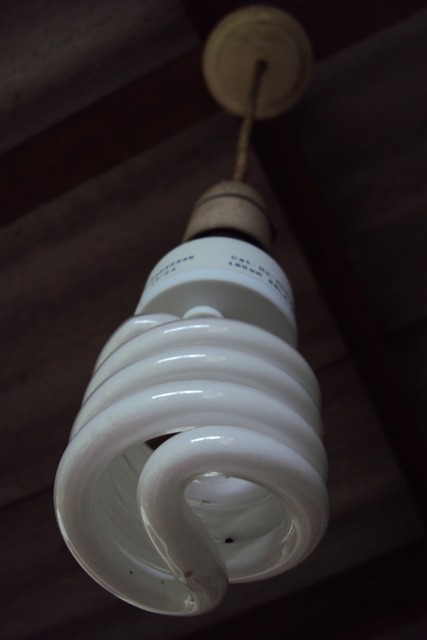
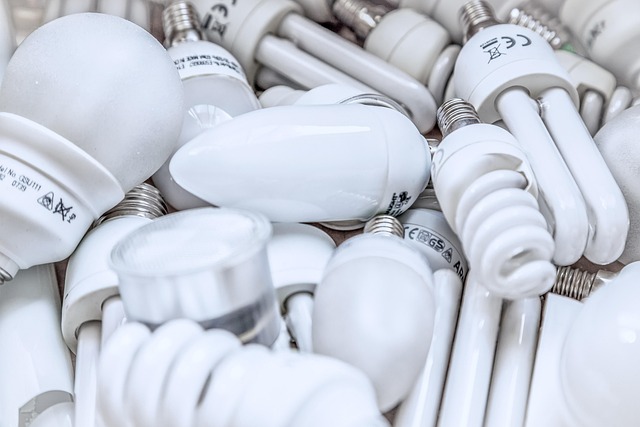
One of the key aspects is understanding how these homes function naturally as energy havens. Proper insulation, for instance, isn’t just about keeping heat in during winter; it’s about creating a sealed environment that minimizes temperature fluctuations, reducing the need for excessive heating or cooling. Similarly, efficient appliances and lighting significantly lower energy consumption without compromising performance—a simple switch to LED bulbs can slash electricity bills. Many owners also leverage natural daylighting, ensuring spaces are well-lit by the sun during the day, further reducing artificial lighting demands.
For borrowers considering purchasing an energy-efficient home, understanding borrower requirements is paramount. Lenders often incentivize such purchases with attractive rates and terms, recognizing the long-term savings for both the owner and the environment. Data suggests that these homes can see up to 30% less energy usage compared to traditional counterparts, translating to substantial savings over time. This not only benefits individual households but also contributes to broader sustainability goals, making it a win-win scenario. To maximize these advantages, owners should regularly maintain their systems and appliances, ensuring they operate at peak efficiency. Regular audits and updates can help identify areas for improvement, whether it’s sealing gaps around doors or windows or upgrading to more advanced HVAC systems.