Energy efficient homes are gaining prominence in real estate due to their cost savings and environmental appeal. Key practices like insulation, LED lighting, and smart thermostats reduce energy use by 15-30%, saving up to $280 annually on utilities. Sellers benefit from enhanced property value and buyer interest, while borrowers enjoy favorable mortgage terms. Strategic design leverages natural elements for heating/cooling, lighting, and ventilation. Active systems like programmable thermostats and LED bulbs further improve efficiency. Initial investments yield long-term savings, with insulation and air sealing crucial for energy conservation. Certifications like LEED and ENERGY STAR increase marketability and property value by up to 10%. Incentives and lender programs promote sustainable homeownership.
In today’s market, energy efficient homes are not just a trend—they’re a necessity for sellers looking to stand out and appeal to environmentally conscious buyers. As global awareness of climate change increases, prospective homeowners increasingly seek properties that minimize their carbon footprint. This presents a significant opportunity for real estate professionals to add substantial value by guiding sellers through the process of creating and marketing energy-efficient homes. By implementing smart design choices, utilizing advanced technologies, and adopting sustainable practices, sellers can enhance property value while contributing to a greener future. This expert report provides a comprehensive guide to navigating this transformative landscape, offering actionable strategies to capitalize on the growing demand for energy efficient homes.
Understanding Energy Efficient Homes: The Basics
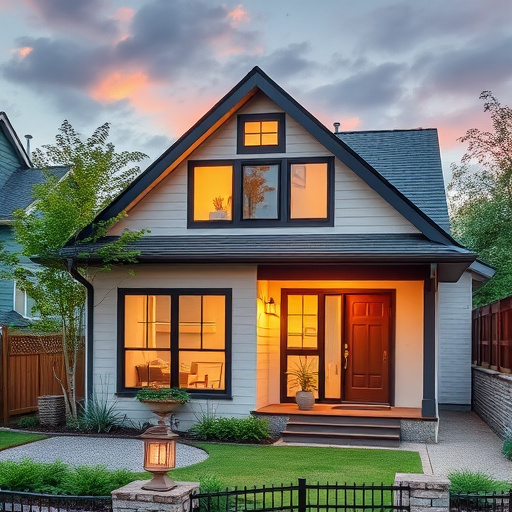
Energy efficient homes have emerged as a critical aspect of modern real estate, appealing to both sellers and borrowers alike. Understanding the basics of energy-efficient practices is essential for anyone looking to sell or invest in residential properties. This approach not only reduces utility costs but also attracts environmentally conscious buyers and offers potential borrower requirements advantages.
At its core, creating an energy-efficient home involves designing and implementing systems that minimize energy consumption without compromising comfort or lifestyle. Key elements include insulation, efficient appliances, LED lighting, smart thermostats, and proper ventilation. For instance, according to the U.S. Department of Energy, homes with better insulation can save up to 20% on heating and cooling bills. Similarly, upgrading to ENERGY STAR-rated appliances can reduce energy use by 15-30%. These simple yet effective measures not only lower utility expenses but also contribute to a more sustainable future.
Borrowers are increasingly recognizing the benefits of energy-efficient homes, incorporating these features into their purchasing decisions and mortgage requirements. Lenders often offer favorable terms and rates for properties with high energy efficiency ratings. A study by the Energy Efficiency & Renewable Energy (EERE) Office revealed that homes certified as Energy Star saved borrowers an average of $280 annually on utility costs. This financial incentive, combined with environmental consciousness, drives market demand for these types of residences. Sellers can leverage this trend by prioritizing energy efficiency in their home improvements and marketing strategies, enhancing the property’s appeal and potentially increasing its resale value.
Benefits for Sellers: Increased Property Value
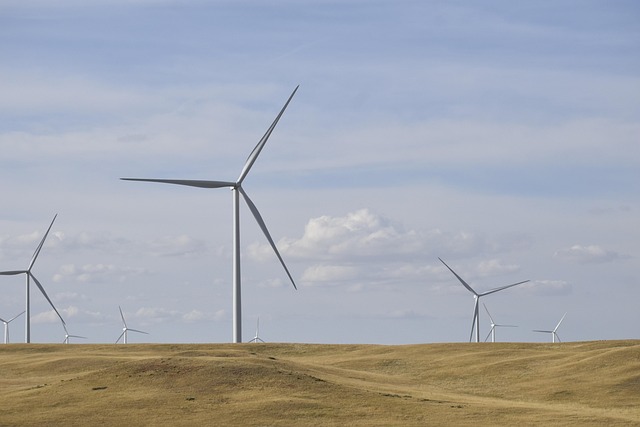
Energy efficient homes have emerged as a significant trend in the real estate market, offering sellers numerous advantages, particularly when it comes to property value. As buyers become increasingly conscious of environmental sustainability and long-term cost savings, investing in energy efficiency becomes a strategic move for sellers looking to maximize their return on investment. One of the key benefits is the potential for a substantial increase in property value, which can be a powerful incentive for both current owners and prospective borrowers.
Studies have consistently shown that homes with energy-efficient features command higher prices in today’s competitive market. For instance, according to a recent report by the U.S. Department of Energy, homes certified as Energy Star, a program that recognizes well-built, energy-efficient homes, sell for 10% to 20% more than comparable non-certified properties. This trend is observed across various regions, indicating a nationwide recognition of the value added by energy efficiency. Moreover, energy-efficient homes can appeal to a broader range of buyers, including those who are environmentally conscious and looking to reduce their carbon footprint, as well as financially savvy individuals seeking long-term cost savings.
Sellers can enhance their property’s appeal by incorporating various energy-efficient practices. Simple upgrades like LED lighting, high-efficiency appliances, and improved insulation can significantly reduce utility bills and attract prospective borrowers who are increasingly mindful of their environmental impact. For example, a home equipped with solar panels not only reduces energy costs but also positions the seller favorably in the market as a forward-thinking, eco-conscious individual. Additionally, sellers might consider offering incentives for buyers who finance through lenders specializing in energy-efficient homes, as these borrowers often have access to competitive rates and special programs that further boost the property’s value and desirability.
Designing for Efficiency: Passive Strategies
Designing for efficiency through passive strategies is a cornerstone of creating energy efficient homes that attract discerning borrowers in today’s market. These tactics, often overlooked yet profoundly impactful, leverage natural elements and thoughtful design to optimize heating, cooling, lighting, and ventilation without relying heavily on mechanical systems. For instance, strategic orientation can maximize sunlight during winter months, reducing heat loss and enhancing passive solar gain. Well-placed windows, overhangs, and insulation act as a thermal buffer, minimizing temperature fluctuations inside the home.
One proven method is the implementation of proper insulation and air sealing. Energy efficient homes incorporate advanced insulation materials in walls, attics, and floors to maintain interior temperatures, thereby reducing the load on heating and cooling systems. Air barriers, such as vapor barriers and airtight seals around doors and windows, prevent drafts and control humidity levels. According to the U.S. Department of Energy, proper insulation and air sealing can save homeowners up to 20% on their energy bills. This not only benefits borrowers through reduced utility costs but also contributes to a home’s overall appeal as an eco-friendly investment.
Furthermore, designing for natural ventilation can significantly lower energy consumption without sacrificing comfort. Strategic placement of windows allows for cross-breezes, providing passive cooling during warmer months. Natural lighting is another aspect that enhances energy efficiency; well-placed skylights and large windows reduce the need for artificial lighting, lowering electricity usage. For example, a home designed with a central courtyard can capitalize on natural light and ventilation, creating a comfortable indoor environment while minimizing energy demand. These passive strategies not only align with borrower requirements for energy efficient homes but also contribute to a property’s long-term value and sustainability.
Active Systems: Heating, Cooling, and Lighting
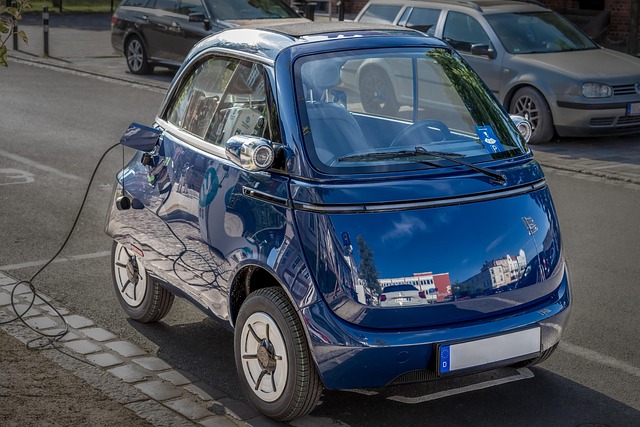
Energy efficient homes have become a cornerstone of modern real estate, with buyers increasingly prioritizing sustainability and cost savings. Active systems play a pivotal role in this narrative, offering sophisticated solutions for heating, cooling, and lighting that not only reduce energy consumption but also enhance comfort and indoor air quality. For sellers looking to attract discerning borrowers, implementing these advanced technologies can be a strategic move.
Heating and cooling account for a significant portion of a home’s energy use. Active systems such as programmable thermostats, heat pump technology, and enhanced insulation dramatically improve energy efficiency. For instance, a study by the U.S. Department of Energy found that homes with programmable thermostats saved an average of 10% on heating and cooling bills. Additionally, heat pumps, which transfer heat rather than generate it, can provide up to four times more heating energy than the electricity they consume, making them highly efficient options for borrowers focused on long-term savings.
Lighting is another critical component. LED lighting, for example, uses 75% less energy and lasts 25 times longer than traditional incandescent bulbs. This not only reduces upfront costs but also minimizes waste, appealing to environmentally conscious borrowers. Smart lighting systems allow users to adjust brightness and color temperatures remotely, further enhancing efficiency. Moreover, these systems can learn occupants’ routines, automatically adjusting settings for maximum comfort and minimum energy use, thereby fulfilling the growing demand for energy efficient homes borrower requirements that prioritize both sustainability and convenience.
Implementing these active systems requires initial investment but delivers substantial returns over time. Sellers can leverage data to demonstrate potential savings to prospective borrowers, highlighting the long-term benefits of energy-efficient homes. This not only boosts the home’s appeal in a competitive market but also positions it as a sound financial decision for those seeking sustainable living solutions, aligning with current market trends and borrower expectations.
Insulation and Air Sealing: Creating a Tight Envelope

Insulation and air sealing are fundamental components in creating energy efficient homes, offering significant benefits for both sellers and borrowers. An expert report on this aspect is crucial as it directly impacts a property’s value and appeal to prospective buyers, especially in today’s market where energy conservation is a top priority. By enhancing the home’s envelope—the barrier between the interior and exterior—sellers can expect improved comfort levels and reduced utility bills, making their properties more attractive to environmentally conscious buyers and lenders.
Effective insulation involves using materials like cellulose, fiberglass, or foam to create a thermal resistance barrier within walls, attics, and floors. This simple yet powerful strategy prevents heat loss during winter and heat gain in summer, allowing the home to maintain a comfortable temperature with less energy input. For instance, according to the U.S. Department of Energy, proper insulation can save homeowners up to 20% on their heating and cooling bills. In regions with extreme climates, this savings can be even higher, making well-insulated homes highly desirable for borrowers seeking long-term cost efficiency. When paired with meticulous air sealing—the process of filling gaps and cracks around windows, doors, and other penetrations—the home’s envelope becomes remarkably tight, minimizing air exchange and preventing energy losses.
Sellers should consider professional audits to identify areas where air leakage occurs most commonly. Common problem spots include poorly sealed windows and doors, attic access points, and plumbing and electrical lines. Once identified, these issues can be addressed using affordable and accessible solutions like weatherstripping, caulk, or foam insulation. These measures not only enhance energy efficiency but also contribute to a quieter, more comfortable indoor environment, which is essential for borrower requirements when assessing potential homes. By prioritizing these improvements, sellers position their properties as top choices in the market, appealing to eco-conscious buyers and lenders who recognize the long-term value of energy efficient homes.
Incentives and Certifications: Selling Points for Buyers
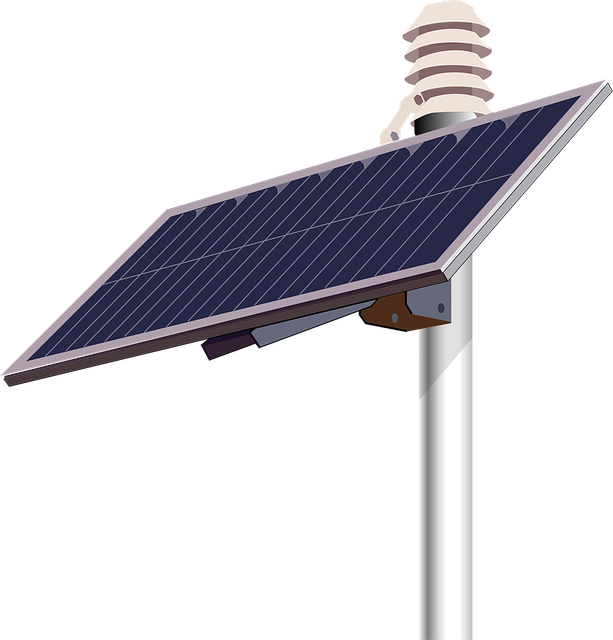
Incentives and Certifications play a pivotal role in the sale of energy efficient homes, acting as powerful selling points for prospective buyers. These initiatives, often supported by various government programs and industry standards, offer significant financial benefits to homeowners. For instance, many regions provide tax credits or rebates for installing solar panels or implementing energy-saving appliances—incentives that can substantially reduce a buyer’s initial outlay and ongoing utility costs.
Energy efficient homes are not only financially advantageous but also appeal to environmentally conscious buyers. Certifications like LEED (Leadership in Energy and Environmental Design) or ENERGY STAR serve as hallmarks of sustainability, signaling to consumers that the property meets stringent energy performance criteria. These certifications not only enhance a home’s marketability but can command premium prices, according to recent real estate studies. For example, homes with ENERGY STAR certification often sell for 5-10% more than comparable properties, demonstrating buyers’ willingness to invest in energy efficient homes.
Understanding borrower requirements is crucial for sellers navigating the current mortgage landscape. Lenders increasingly consider a property’s energy efficiency when assessing loan eligibility and interest rates. Energy efficient homes can qualify borrowers for special programs, such as lower-interest Green Loans or Home Energy Improvement Loans, further incentivizing both buyers and lenders to invest in sustainable properties. As the demand for eco-friendly housing grows, sellers who market their properties’ energy savings and certifications can attract a broader range of qualified buyers, ensuring competitive sales in today’s dynamic real estate market.