Energy efficient homes offer significant advantages for real estate sellers in today's market. Buyers seek sustainable, cost-saving properties, driving demand. These homes provide environmental benefits and substantial financial savings (20-30%), attracting a broader buyer base. Sellers can differentiate their properties by showcasing energy-efficient features like solar panels and double-paned windows. Local, state, and federal incentives further encourage green building practices.
Implementing practical steps like assessing energy performance, sealing gaps, upgrading systems, installing renewable energy sources, and improving insulation enhances home appeal to conscious buyers and increases selling prices up to 15%. These measures make homes more attractive and valuable in a competitive market.
In today’s market, energy-efficient homes are not just a trend but a critical selling point. As environmental awareness grows, buyers increasingly seek sustainable options, making energy efficiency a key factor in real estate transactions. However, many sellers remain unaware of the practical steps to make their properties more attractive to eco-conscious buyers. This comprehensive guide aims to provide an actionable framework for transforming any home into a showcase of energy efficiency, naturally enhancing its market appeal and potentially increasing its resale value.
Understanding Energy Efficient Homes: Benefits for Sellers
In today’s market, understanding energy efficient homes presents a significant advantage for sellers. These properties are increasingly sought after by buyers who prioritize sustainability and cost savings, making them an attractive option to stand out in a competitive real estate landscape. Energy efficient homes offer not only environmental benefits but also substantial financial advantages that can significantly enhance a property’s appeal and value.
The allure of energy efficient homes extends beyond their positive environmental impact. Borrowers, particularly those conscious of long-term savings, are drawn to these properties due to their reduced utility bills. According to recent studies, homes with energy efficiency upgrades can save occupants 20-30% on heating, cooling, and lighting costs—a substantial amount over time. This financial incentive is a key driver for many buyers who, with the current economic climate favoring responsible borrowing, are more inclined to secure mortgages for properties that promise significant returns on their investment. The energy efficient homes borrower requirements often include specific criteria for insulation, efficient appliances, and smart thermostats, among others. Meeting these standards can not only attract a broader range of potential buyers but also command premium prices in the market.
Sellers who embrace the concept of energy efficiency gain access to a wealth of opportunities. They can differentiate their properties by showcasing features like solar panels, double-paned windows, and energy-efficient appliances, which are increasingly viewed as standard rather than luxury items. Moreover, many local, state, and federal incentives exist to encourage the adoption of green building practices. Tax credits, rebates, and lower insurance rates are among the benefits that can make transitioning to energy efficient homes financially prudent for both sellers and buyers. By understanding these advantages and incorporating them into their sales strategies, sellers position themselves advantageously in a market where environmental consciousness and financial prudence converge.
Assessing and Preparing Your Property for Energy Efficiency
Preparing your property for energy efficiency is a strategic step that can significantly enhance its appeal to today’s discerning buyers, especially those seeking energy efficient homes. This involves a thorough assessment of your home’s current state and identifying areas where improvements can be made to increase energy performance. According to recent data, making energy-efficient upgrades can boost the selling price of a home by as much as 15%. As the market leans towards energy efficient homes, understanding borrower requirements is paramount. Lenders are increasingly considering a property’s energy efficiency as part of their appraisal process, with some offering incentives for homes that meet specific energy standards.
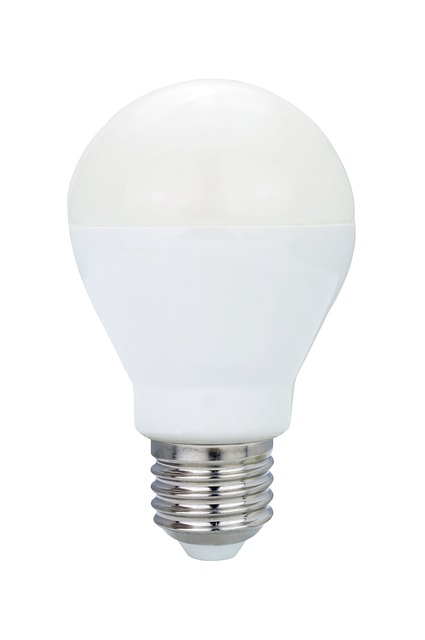
A comprehensive assessment should start with an audit of your home’s insulation, air sealing, and heating/cooling systems. These areas often present significant opportunities for improvement. For instance, adding insulation to attics and walls can reduce heat loss by up to 20%. Similarly, sealing gaps around windows and doors prevents warm air from escaping in winter or cool air from entering in summer. Upgrading to energy-efficient appliances and LED lighting is another strategic move that buyers will appreciate. These simple changes not only contribute to a home’s energy efficiency but also reduce utility bills for the occupants.
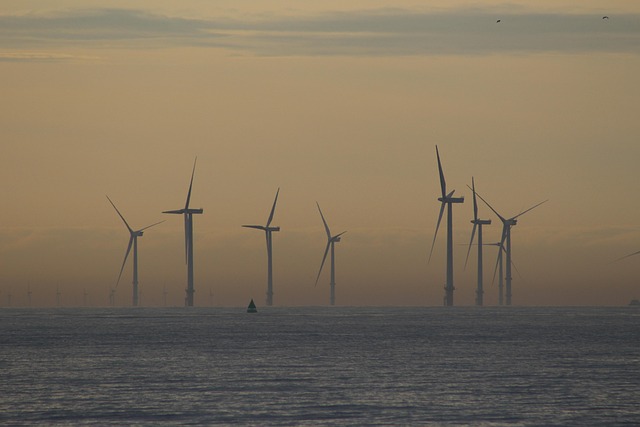
Additionally, consider the impact of renewable energy sources like solar panels. Many buyers are attracted to properties with built-in sustainability features, as these can lead to substantial long-term savings. The initial investment in solar panels may be high, but it pays off over time through reduced electricity costs and potential incentives from utility companies or local governments. When preparing your property for sale, prioritize these energy efficiency measures to make your home stand out as a top choice among buyers seeking not just a place to live, but also an environmentally conscious investment.
Implementing Green Features: A Step-by-Step Guide for Maximum Impact

Implementing green features is a strategic move for sellers looking to enhance the appeal of their energy efficient homes to today’s conscious buyers and meet borrower requirements. This step-by-step guide focuses on maximizing the impact through practical, yet impactful changes.
Start by assessing your home’s current energy performance using tools like ENERGY STAR’s Home Energy Auditor. Identify areas for improvement, focusing on the most cost-effective upgrades first. For instance, sealing gaps around doors and windows can significantly reduce energy loss. According to the U.S. Department of Energy, these simple fixes can save up to 20% on heating and cooling bills. Next, consider upgrading to energy-efficient appliances, lighting, and HVAC systems. These investments may have a higher upfront cost, but they pay dividends over time through reduced utility expenses, enhancing the overall value of your energy efficient homes.
Implementing renewable energy sources like solar panels is another powerful strategy. While the initial installation costs can be substantial, many borrowers now consider solar power an attractive feature when financing energy efficient homes. The U.S. Solar Market Insights report shows a steady increase in solar adoption, with more than 4 million residential solar installations across the country. Additionally, explore smart home technology to automate and optimize energy usage. Thermostats that learn your habits and adjust settings accordingly can lead to substantial energy savings without compromising comfort.
Finally, focus on better insulation and air sealing. Proper insulation reduces heat transfer, keeping your home comfortable while minimizing energy consumption. Air sealing prevents drafts and further enhances efficiency. Combining these green features not only makes your home more attractive to buyers but also aligns with borrower expectations for energy-conscious living spaces.