Energy efficient homes naturally reduce utility costs, command higher premiums (up to 15%), and receive favorable mortgage terms. Sellers can enhance appeal by conducting energy audits, replacing appliances, installing smart thermostats, and upgrading insulation, resulting in up to 30% heating/cooling cost savings. Comprehensive upgrades, including high-performance materials and Energy Star appliances, increase property value by up to 20%. Marketing these features leverages growing buyer interest in sustainability, attracting eco-conscious buyers and securing premium prices.
In today’s market, energy efficient homes are not just a trend—they’re a smart investment for sellers looking to attract discerning buyers and maximize property value. As environmental concerns mount, potential homeowners increasingly prioritize sustainability, making energy efficiency a key selling point. This expert report delves into the strategies and benefits of creating energy-efficient homes, providing valuable insights for real estate professionals and property owners alike. We explore cost-effective solutions, government incentives, and design principles that not only reduce utility bills but also enhance comfort and livability. By embracing energy efficiency, sellers can position their properties as desirable, forward-thinking investments.
Understanding Energy Efficiency in Real Estate
Energy efficiency has emerged as a critical factor in the real estate market, significantly influencing both buyers’ preferences and lenders’ criteria for mortgage approvals. Understanding energy efficient homes is essential for sellers aiming to maximize their property’s appeal and value. This comprehensive section delves into the significance of energy efficiency, its impact on home sales, and practical steps to transform any residence into an energy-saving haven.
The concept of energy efficient homes revolves around reducing power consumption through design, technology, and material choices. These homes naturally incorporate features like proper insulation, high-performance windows, and energy-efficient appliances, resulting in lower utility bills for occupants. According to recent studies, properties with superior energy efficiency can command a premium of up to 15% in certain markets, making it a valuable investment for sellers. Furthermore, lenders are increasingly considering energy efficiency as a borrower requirement, offering favorable terms and rates to homeowners who invest in such homes. This trend reflects a broader industry shift towards sustainability, where energy-conscious properties are seen as more desirable and financially sound investments.
Sellers can strategically position their homes in the market by highlighting these eco-friendly attributes. For instance, marketing materials should emphasize reduced utility costs for buyers, positioning energy efficient homes as both cost-effective and environmentally responsible. Beyond marketing, practical steps include conducting a comprehensive energy audit to identify areas for improvement. Replacing outdated appliances with Energy Star-rated models, installing smart thermostats, and upgrading insulation are tangible ways to enhance a home’s energy efficiency. These measures not only attract discerning buyers but also align with the growing demand for sustainable living spaces, ensuring that sellers stay competitive in an ever-evolving real estate landscape.
Benefits of Energy-Efficient Homes for Sellers

Energy-efficient homes are increasingly becoming a key selling point for properties, offering numerous advantages that cater to both sellers and buyers alike. In today’s market, where environmental consciousness is on the rise, prospective sellers can capitalize on this trend by showcasing the benefits of energy-efficient living. This approach not only attracts environmentally aware buyers but also presents an opportunity to increase property value and appeal to a broader range of potential purchasers.
One of the primary advantages for sellers lies in the financial savings associated with energy-efficient homes. These properties are designed to reduce utility costs, which can result in significant long-term savings for owners. For instance, according to recent studies, homes certified as Energy Star achieve 15% more energy efficiency than average, leading to a reduction in heating and cooling bills of up to $360 annually. By emphasizing these potential savings, sellers can position their properties as wise investments, especially when targeting buyers who are mindful of their long-term financial outlook. Moreover, many lenders now consider the energy efficiency of homes as part of their borrower requirements, offering lower interest rates and more favorable terms for eligible properties, further enhancing the financial viability of going green.
Additionally, energy-efficient homes contribute to a reduced environmental footprint, making them an attractive option for environmentally conscious buyers. Sellers can leverage this aspect by appealing to the growing market segment that prioritizes sustainability. For example, solar panel systems and energy-efficient appliances not only decrease utility expenses but also represent a commitment to renewable energy sources, which resonates with eco-focused consumers. By presenting their homes as part of a sustainable solution, sellers can engage buyers who value responsible living and potentially command a premium in the market. This shift towards energy efficiency is not just a trend; it reflects a broader societal movement towards a greener future, where properties that embrace these principles are sure to stand out.
Assessing Your Home's Current Energy Performance
Assessing your home’s current energy performance is a critical first step for any seller looking to navigate the modern real estate market, particularly when emphasizing energy efficient homes for borrowers. This process involves a holistic evaluation of your property’s energy consumption patterns and identifying areas where significant improvements can be made. It’s not just about lowering utility bills; it’s also about enhancing the home’s appeal to environmentally conscious buyers and potentially increasing its resale value.
Start by reviewing your past year’s energy usage data, which is often accessible through utility company portals or smart meters. Analyze trends in electricity, heating, cooling, and water consumption. Look for peaks or consistent high usage that may indicate inefficient systems or behaviors. For instance, sudden spikes during warmer months could point to excessive air conditioning, while cold-weather increases suggest heating system inefficiencies. This initial step provides a baseline against which you can measure the potential for energy efficient homes.
Next, conduct a thorough inspection of your home’s insulation, sealing, and ventilation systems. Poor insulation is a significant culprit in energy loss, leading to higher utility costs. Check for air leaks around windows, doors, and other openings, as these can be addressed with weatherstripping or caulk. Efficient ventilation not only improves indoor air quality but also helps regulate temperature. Consider upgrading to energy-efficient appliances and lighting fixtures, which are increasingly designed with sustainability in mind. These changes are among the most cost-effective ways to create energy efficient homes that attract borrowers seeking lower operating costs.
Additionally, assessing your home’s heating and cooling systems is paramount. Older models may be less efficient, contributing to higher energy bills. Modern, high-efficiency furnaces or heat pumps can provide substantial savings. Similarly, consider the benefits of programmable thermostats, which allow you to set temperature adjustments based on occupancy and time of day—a simple yet effective strategy for creating energy efficient homes that borrowers appreciate. Remember, as you implement these upgrades, document your efforts. Prospective buyers and lenders will view such records favorably, demonstrating your commitment to sustainability and responsible homeownership.
Strategies for Making Your Home More Efficient

To prepare your home for sale in today’s market, considering energy efficiency is a strategic move that can significantly enhance its appeal to prospective borrowers. Energy efficient homes are increasingly sought after, and sellers who implement smart strategies can command higher prices and attract buyers who prioritize sustainability. This section delves into practical steps to transform your property into an energy-efficient haven, aligning with borrower requirements for sustainable living.
Start by conducting a comprehensive audit of your home’s current energy consumption. Identify areas where insulation is inadequate, and consider upgrading to modern standards. For example, proper attic insulation can reduce heating and cooling costs by up to 30%. Similarly, sealing gaps around windows and doors is an effective measure that prevents warm air from escaping during winter and keeps cool air in during summer. This simple step can yield substantial energy savings over time. According to recent studies, homes with better insulation can fetch up to 20% more on the sales market, making it a valuable investment for sellers.
Upgrading to energy-efficient appliances is another key strategy. When replacing old appliances, opt for models carrying the ENERGY STAR label, which guarantees significant power savings compared to standard devices. These appliances not only reduce utility bills but also align with borrower expectations of eco-conscious living. For instance, an Energy Star-rated refrigerator uses approximately 25% less energy than a conventional model. Additionally, smart thermostats offer precise temperature control and can learn residents’ routines, further optimizing energy use. Borrowers increasingly view these features as desirable assets, making your home more competitive in the market.
Implementing natural lighting strategies is an affordable way to enhance energy efficiency. Large windows allow sunlight to illuminate spaces during the day, reducing the need for artificial lighting. Consider adding skylights in areas like bathrooms and hallways for added brightness without extra energy consumption. Natural lighting not only saves on electricity bills but also contributes to a healthier living environment. Moreover, these design elements can create a sense of openness and connection with the outdoors, appealing to borrowers seeking well-lit, naturally vibrant spaces.
Popular Features and Upgrades for Energy Savings
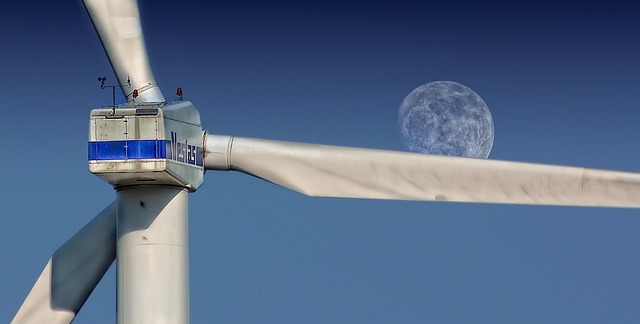
In the pursuit of creating energy efficient homes, sellers can significantly enhance their properties’ appeal to borrowers, who increasingly prioritize sustainability as part of their living requirements. Features such as high-performance insulation, double-glazed windows, and energy-efficient appliances not only reduce utility bills but also represent substantial investments that can pay off handsomely in terms of property value. Studies show that homes with comprehensive energy efficiency upgrades often command premium prices, making these features a strategic selling point for any vendor looking to maximize their return on investment.
One of the most impactful ways to achieve energy efficiency involves minimizing heat transfer through careful design and material selection. This includes incorporating not only high-R value insulation but also air sealing measures around windows and doors. For instance, swapping out conventional single-pane windows with double-glazed models can lead to a 25-30% reduction in heating and cooling energy use. Additionally, smart thermostats that learn occupants’ habits and adjust temperature settings accordingly are becoming increasingly popular among borrowers, who appreciate the convenience and significant energy savings they offer.
Beyond insulation and windows, other popular upgrades include efficient water heaters, LED lighting fixtures, and energy-saving kitchen appliances. Water heating accounts for approximately 15% of a home’s energy consumption, making efficient water heaters—be it solar, tankless, or high-efficiency electric models—a strategic addition. Similarly, swapping out old incandescent bulbs with LED alternatives can reduce lighting bills by up to 75%. In the kitchen, borrowers increasingly look for Energy Star-rated appliances that consume less electricity and water without compromising performance. Incorporating these features not only supports the goal of creating energy efficient homes but also aligns with borrower requirements, ensuring properties remain competitive in today’s market.
Marketing Energy-Efficient Homes to Potential Buyers
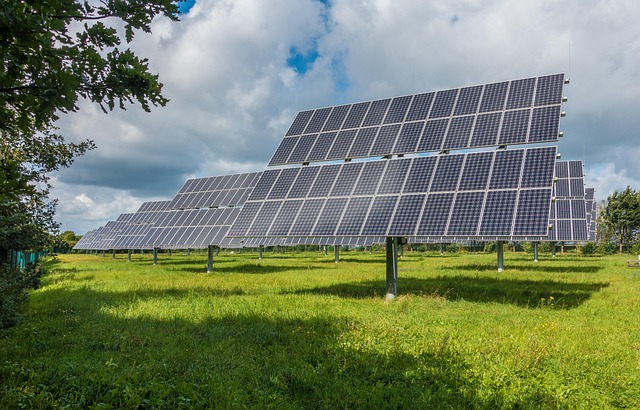
Marketing energy-efficient homes to potential buyers requires a strategic approach that highlights both the environmental and economic benefits of these properties. With growing awareness of climate change, many prospective purchasers are actively seeking out sustainable living options. This shift in consumer behavior presents a significant opportunity for sellers to attract a wider range of interested parties and command premium prices. Emphasizing energy-efficiency as a key selling point can differentiate homes in a competitive market, appealing to both eco-conscious buyers and those looking to reduce utility costs.
To effectively market energy-efficient homes, sellers should begin by conducting a thorough property assessment to identify and document any existing energy-saving features, such as high-efficiency appliances, insulation upgrades, or solar panels. These assets should be prominently displayed in listing materials, including detailed descriptions and high-quality images. Moreover, educating buyers about the long-term financial benefits of energy efficiency can be powerful. For instance, a study by the U.S. Department of Energy found that homeowners who invest in energy-efficient upgrades often see a return on investment within 3 to 5 years, with some savings extending far beyond. Highlighting such insights can engage buyers and demonstrate the wisdom of choosing energy-efficient homes, aligning with current borrower requirements for sustainable financing options.
In addition to listing preparation, leveraging digital marketing strategies is essential. Utilizing online platforms to showcase green features and share energy-saving tips can attract environmentally conscious viewers. Social media campaigns that highlight the benefits of reduced utility bills and lower carbon footprints can further engage potential buyers. Sellers should also consider partnering with real estate agents who specialize in sustainable properties, as these professionals can offer valuable insights into buyer preferences and market trends related to energy efficiency. Tailoring marketing efforts to appeal to a broader audience, including those seeking to reduce their environmental impact, will ensure that energy-efficient homes reach the right buyers.