Energy efficient homes offer first-time buyers significant cost savings through reduced utility bills, government incentives, and lower mortgage rates. Key features include advanced insulation, high-performance windows, smart thermostats, and energy-efficient appliances. Maintaining these homes involves regular inspection and care to maximize energy performance and long-term financial benefits.
In today’s world, purchasing an energy-efficient home has become a strategic decision for first-time buyers looking to save costs and contribute to sustainability. As the cost of energy continues to rise, adopting green building practices offers long-term financial benefits. However, navigating this market can be challenging for newcomers. This article provides an in-depth guide, demystifying the concept of energy-efficient homes and offering actionable strategies for buyers to make informed choices. We’ll explore various aspects, from understanding key features like insulation and efficient appliances to considering government incentives, ensuring a smooth transition into a more sustainable future for new homeowners.
Understanding Energy Efficient Homes: Basics Explained

Energy efficient homes have emerged as a game-changer in the real estate landscape, offering both environmental benefits and significant cost savings for first-time buyers. To fully grasp this concept, it’s essential to understand that these homes utilize advanced technologies and designs to minimize energy consumption, making them not just eco-friendly but also economical. The core principle revolves around reducing heating, ventilation, and air conditioning (HVAC) loads, along with efficient lighting systems and smart appliances.
For instance, features like double-glazed windows, proper insulation, and energy-efficient appliances can drastically cut down on utility bills. According to recent studies, homes that incorporate these measures can save up to 30% on energy costs compared to traditional counterparts. This not only translates to immediate financial benefits but also has a positive impact on the environment by reducing carbon footprints. For borrowers considering mortgages, lenders have started recognizing the value of energy-efficient homes, leading to specialized loan programs with lower interest rates and flexible terms. The U.S. Department of Energy estimates that an investment in energy-efficient home upgrades can yield a 20% return or more over the lifespan of the improvements, making it a smart financial decision for first-time buyers.
Practical steps for understanding and navigating this market include requesting an energy audit to assess a property’s efficiency, researching local incentives and grants for energy retrofits, and consulting with professionals who specialize in green building practices. By prioritizing energy efficient homes, borrowers not only secure a sustainable investment but also gain access to financial savings that can offset the initial costs of upgrades. This approach ensures that first-time buyers make informed decisions while contributing to a greener future.
Benefits for First-Time Buyers: Cost Savings & Comfort

For first-time buyers entering the housing market, investing in energy efficient homes presents a compelling blend of cost savings and comfort. These homes are designed to optimize energy use, reducing utility bills significantly over time. For instance, according to the U.S. Department of Energy, an energy-efficient home can save homeowners up to 30% on their heating and cooling costs compared to traditional construction. This translates into immediate financial relief for first-time buyers who often have tight budgets. Moreover, many lenders recognize the benefits of energy efficiency and offer specialized mortgage programs tailored for such homes, with borrower requirements often focusing on improved energy performance rather than strict down payment figures.
The comfort aspect is equally compelling. Energy efficient homes incorporate features like better insulation, high-performance windows, and smart thermostats, which collectively contribute to a more comfortable living environment. These systems distribute heat or cool air more evenly, eliminating cold spots and hot zones within the home. For instance, programmable thermostats allow buyers to set schedules that maximize energy savings without compromising comfort. Additionally, many energy efficient homes incorporate natural lighting strategies, reducing the need for artificial illumination during the day. This not only enhances overall comfort but also positively impacts mental well-being by exposing residents to more daylight.
When considering an energy efficient home as a first-time buyer, it’s advisable to factor in long-term financial benefits versus initial costs. While the upfront investment might be slightly higher due to enhanced building materials and technology, numerous government incentives and tax credits are available to offset these expenses. For example, the federal Income Tax Credit for Energy Efficient Homes offers up to 30% of qualifying expenditure as a tax credit, with no maximum limit. Additionally, some lenders offer lower interest rates on mortgages for energy efficient homes, further reducing borrowing costs over time. By balancing initial outlay against anticipated savings and comfort, first-time buyers can make informed decisions that position them for financial stability and enhanced living experiences in their new homes.
Key Features of Energy-Saving Homes to Look For
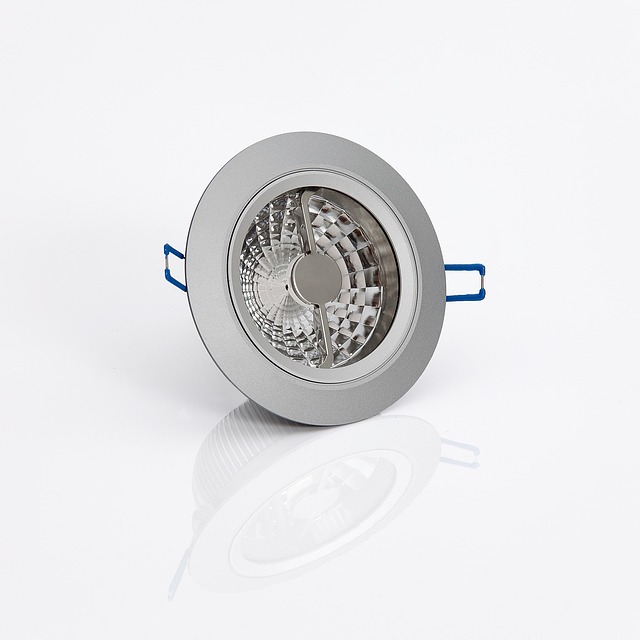
When considering an energy efficient home for the first time, buyers must be aware of key features that can significantly impact their living expenses and environmental footprint. These homes are designed to optimize energy use through various strategies, from passive solar design to advanced insulation. Look for well-insulated walls, roofs, and floors, along with high-performance windows that prevent heat loss in winter and keep cool air inside during summer months. Energy efficient appliances, LED lighting, and smart thermostats also contribute to lower utility bills. For instance, an ENERGY STAR certified home can save a family up to 30% on their energy bills compared to older models.
One of the most important aspects to consider is the overall building envelope—the barrier between the indoor environment and the outside. This includes not only insulation but also air sealing, which prevents drafts and leaks. Energy efficient homes often feature advanced air barriers, such as vapor barriers or dynamic air exchangers, to maintain optimal indoor air quality while minimizing energy loss. According to the U.S. Department of Energy, improving insulation in attics, walls, and floors can save an average of 10-30% on heating and cooling bills.
Borrowers interested in purchasing energy efficient homes should be aware of specific requirements that come with these properties. Lenders often have programs dedicated to supporting green building practices, offering lower interest rates or special mortgage products for qualified buyers. For instance, some lenders provide incentives for homes achieving ENERGY STAR certification. Energy efficient homes can also qualify for tax credits and rebates from local, state, or federal governments. These financial benefits make the initial investment more feasible for first-time buyers looking to save on energy costs in the long term.
Exploring Popular Energy Efficiency Technologies Today
The quest for energy efficient homes is a growing priority for first-time buyers, who increasingly recognize the financial and environmental benefits of such living spaces. Today’s market offers a plethora of advanced technologies designed to make homes more eco-friendly and cost-effective. Understanding these innovations is crucial for informed buying decisions, especially given the current borrower requirements for energy-efficient mortgages. These requirements, often facilitated through government initiatives, aim to incentivize sustainable living choices.
Popular energy efficiency technologies include smart thermostats that learn and optimize temperature settings, reducing heating and cooling costs by up to 30%. For instance, Nest Thermostats have gained popularity for their ability to adjust temperatures based on occupancy and time of day, resulting in significant energy savings. Another notable technology is LED lighting, which consumes at least 75% less energy than traditional incandescent bulbs. This simple upgrade can slash electricity bills substantially over time. Additionally, energy-efficient appliances play a vital role in modern homes. High-efficiency washing machines and dishwashers, labeled with Energy Star ratings, are designed to use less water and electricity, contributing to lower utility expenses.
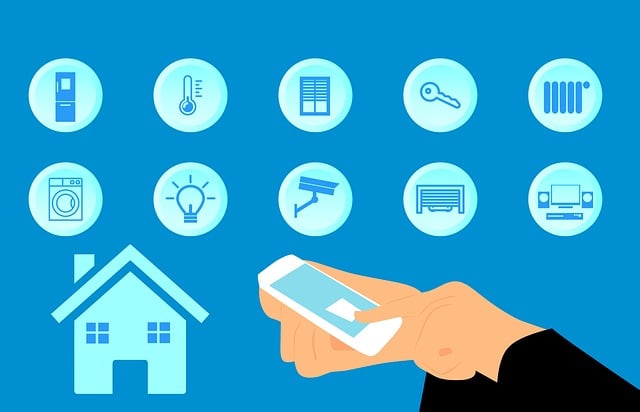
Advanced window technologies also deserve mention as key components of energy efficient homes. Double-paned windows, for example, offer better insulation, reducing heat loss during cold months and keeping interiors cool in summer. Solar panels have revolutionized the way we power our homes, with increasingly affordable options available. According to recent data, a 5 kW solar panel system can save an average household up to $100 per month on electricity bills. Furthermore, smart home systems integrate various devices for centralized control, allowing homeowners to monitor and manage energy usage efficiently from their smartphones. These technologies not only enhance convenience but also enable borrowers to meet strict energy-efficiency standards required for favorable mortgage terms.
Buying vs Renting: Making Sense of Energy Costs

When considering a purchase versus rent decision, understanding energy costs is crucial for first-time buyers looking to invest in an energy efficient home. In today’s world, where environmental consciousness grows, energy efficient homes have become a practical and responsible choice. These homes are designed to optimize resource use, reducing utility bills for occupants while also minimizing the broader environmental impact.
For borrowers entering the housing market, understanding these costs can significantly influence their financial decisions. According to recent studies, energy-efficient homes often command lower heating and cooling bills, with savings ranging from 20% to 50% compared to traditional construction. This translates into tangible long-term savings for homeowners. For instance, a study by the U.S. Department of Energy found that households living in highly energy efficient homes saved an average of $370 annually on utility bills. When considering a mortgage, these potential savings can be factored into borrower requirements, allowing for more accurate budgeting and financial planning.
Furthermore, many lenders recognize the value of energy-efficient homes and have tailored programs to support borrowers who opt for such properties. These programs often offer competitive interest rates and flexible terms, reflecting the lower risk associated with these types of investments. As energy efficient homes gain popularity, it’s expected that borrower requirements and financial incentives will continue to evolve, making them even more accessible and affordable. For first-time buyers, this presents an opportunity not just to secure a home but also to contribute to a sustainable future while managing their finances effectively.
Tips for Maintaining Your Energy Efficient Home Longer

Maintaining an energy efficient home is a long-term commitment that goes beyond initial setup. For first-time buyers, understanding ongoing care is crucial for maximizing the benefits of these homes. Energy efficient homes are designed to reduce utility bills and minimize environmental impact, but their effectiveness over time depends on consistent management. A key aspect is regular inspection and maintenance, similar to how we service our vehicles. Checking insulation, sealing gaps around doors and windows, and ensuring efficient appliances can prevent energy wastage that negates initial savings.
Additionally, borrowers considering or already owning energy efficient homes should stay updated on technological advancements. Upgrading to smart thermostats, for example, allows precise temperature control and learning habits, further optimizing energy use. Solar panel maintenance is another critical component; regular cleaning and checks ensure optimal performance over the long term. Moreover, understanding local utility programs that incentivize energy efficiency—often in the form of rebates or low-interest loans—can help borrowers offset initial investment. Regular monitoring of energy bills against expected savings acts as a barometer for success, identifying areas for improvement or potential issues with equipment.
Practical tips include establishing a schedule for routine checks, especially after significant weather events, and keeping detailed records. Homeowners should also stay informed about local utility company services and community programs promoting energy conservation. By integrating these practices, first-time buyers can ensure their energy efficient homes remain high-performing investments over time, realizing substantial savings while contributing to a sustainable future.