Energy efficient homes are gaining popularity among first-time buyers for their smart financial choices and environmental benefits. Key features like high-performance insulation, advanced HVAC systems, sealed windows, and smart thermostats reduce energy consumption by up to 30%, lowering utility bills and increasing resale value. Lenders offer specialized programs with incentives, while government grants and low-interest loans offset upfront costs for retrofits. Consulting professionals in energy audits and mortgages enables informed decisions for long-term savings and sustainability.
In today’s world, purchasing your first home is a significant milestone, but it’s also a complex process, especially when considering the environmental impact of energy consumption. With rising energy costs and growing concerns about climate change, there’s a compelling case for first-time buyers to explore the benefits of energy efficient homes. This article provides an in-depth guide, offering actionable insights into understanding and implementing energy efficiency measures, ensuring you make informed decisions for your future home. We’ll demystify the concept, highlighting the advantages and practical steps to navigate this important aspect of modern homeownership.
Understanding Energy Efficient Homes: Basics Explained
Energy efficient homes have emerged as a crucial consideration for first-time buyers navigating the real estate market. These dwellings are designed to optimize energy use, offering significant long-term savings on utility bills and contributing to environmental sustainability. At their core, energy efficient homes incorporate features like high-performance insulation, efficient heating and cooling systems, well-sealed windows, and smart thermostats. For instance, according to the U.S. Department of Energy, homes built to strict energy efficiency standards can save 20–50% more energy than standard models, translating into substantial financial benefits for borrowers over time.
Understanding the basics of energy efficient homes involves recognizing that these structures are not merely eco-friendly; they represent a sound investment. Features like LED lighting and energy-efficient appliances not only reduce power consumption but also enhance indoor air quality. Additionally, many first-time buyers overlook the potential resale value boost associated with green homes. A study by the National Association of Realtors revealed that energy-efficient features can increase a home’s selling price by 2.5% to 10%, making them an attractive proposition for borrowers looking to maximize their return on investment. To qualify for financing, lenders often require specific energy efficiency metrics, such as a Home Energy Score (HES) above a certain threshold, ensuring that the homes meet established standards.
Borrowers should also be aware of government incentives and programs designed to promote energy efficient homes. Tax credits, grants, and low-interest loans can significantly offset the upfront costs of implementing energy-saving measures. For example, the federal Residential Energy Efficient Loan (REEL) program offers below-market rates for energy efficiency upgrades. First-time buyers should proactively research these opportunities to enhance their homeownership experience. Engaging with professionals who specialize in energy audits and retrofits can provide valuable insights into which improvements will yield the greatest returns, ensuring that borrowers make informed decisions tailored to their specific needs and budget constraints.
Benefits for First-Time Homebuyers: Savings & Comfort

For first-time homebuyers, considering energy efficient homes offers a compelling blend of financial savings and comfort. These residences are designed to optimize energy usage, leading to reduced utility bills compared to traditional homes. For instance, advanced insulation, high-efficiency appliances, and LED lighting in an energy efficient home can slash heating and cooling costs by 25-30% according to the U.S. Department of Energy. This translates into significant savings over time, with some borrowers reporting thousands of dollars in annual energy cost reductions.
The benefits extend beyond financial savings. Energy efficient homes are also more comfortable year-round due to their precise temperature control and reduced humidity levels. Smart thermostats, for example, learn residents’ habits and adjust heating and cooling accordingly, ensuring a consistent and pleasant indoor environment. This comfort isn’t just about personal pleasure; it can also enhance the home’s resale value, providing a compelling incentive for buyers seeking long-term investments.
When considering energy efficient homes, borrowers should be aware of specific requirements that may differ from conventional mortgages. Lenders often offer specialized programs with lower interest rates and flexible terms to promote energy conservation. For instance, some lenders provide up-front assistance for home energy audits or the installation of solar panels, making these upgrades more affordable. It’s crucial for first-time buyers to research these options early in their home-buying journey to take advantage of these benefits and ensure they’re securing the best financing possible for their energy efficient investment.
Key Features of Energy-Efficient Design & Construction
Energy-efficient homes have emerged as a game-changer for first-time buyers looking to make sustainable choices while navigating the real estate market. When considering purchasing, focusing on key features of energy-efficient design and construction can significantly impact both environmental sustainability and long-term financial savings. These homes are strategically designed to optimize energy performance, offering benefits that extend beyond reduced utility bills.
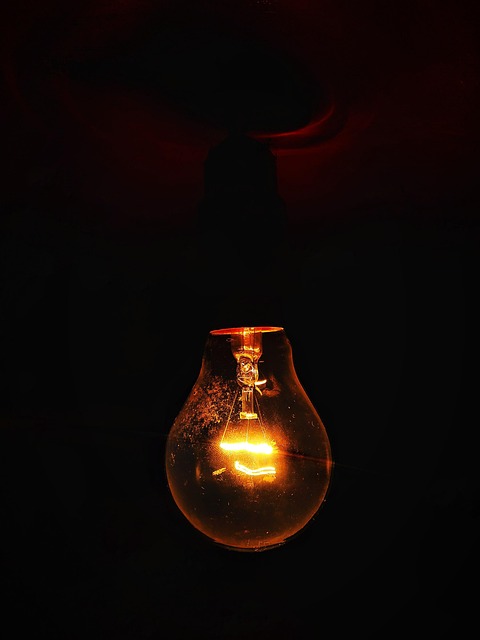
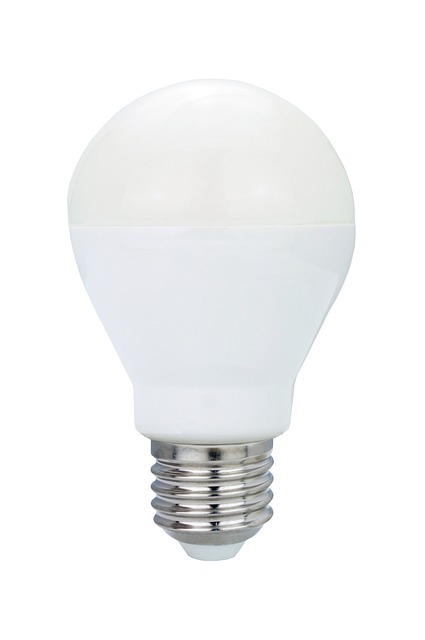
One of the primary aspects is insulation and airtightness. Proper insulation in walls, attics, and floors creates a thermal barrier, preventing heat loss during colder months and keeping homes cool in summer. Airtight construction minimizes drafts and leaks, ensuring consistent indoor temperatures and enhancing overall energy efficiency. For instance, according to the U.S. Department of Energy, an adequately insulated home can save up to 30% on heating and cooling costs. Additionally, incorporating energy-efficient appliances and lighting systems is essential. LED bulbs, for example, consume significantly less electricity than traditional incandescent lights, contributing to lower energy consumption and extended product lifespans.
Natural lighting and strategic window placement are other critical components of energy-efficient design. Large south-facing windows allow for passive solar heating during winter, reducing the need for artificial heat sources. Similarly, skylights can provide natural daylight, further minimizing electricity usage for lighting. Some advanced homes even utilize dynamic window tinting or smart glass technologies to adjust light and temperature levels based on external conditions. For borrowers considering mortgages, understanding these features is crucial—energy-efficient homes often attract favorable lending terms, with some lenders offering specialized programs that account for reduced energy costs. This not only benefits buyers’ budgets but also aligns with broader environmental goals, making sustainable living more accessible than ever.
Exploring Popular Energy Efficiency Upgrades in Homes

When exploring energy efficient homes for the first time, borrowers often look beyond the traditional aspects of location and price to consider the long-term savings and benefits that come with sustainable living. Energy efficiency upgrades have become a significant focus in the real estate market, offering not only environmental advantages but also financial gains for homeowners. This shift towards eco-friendly practices has led to a surge in popular energy efficiency improvements that first-time buyers can explore to reduce their carbon footprint and utility bills.
One of the most sought-after upgrades is proper insulation, which creates a comfortable indoor climate while minimizing heat loss or gain. According to recent studies, homes with adequate insulation can save up to 20% on heating and cooling costs. Another common update is the installation of energy-efficient appliances, such as refrigerators, dishwashers, and washing machines, that consume less power without compromising performance. These appliances are designed to meet strict energy efficiency standards, ensuring significant long-term savings for borrowers investing in them. Additionally, LED lighting systems have gained popularity due to their longevity and low energy consumption, replacing traditional incandescent bulbs and contributing to overall energy conservation in homes.
Windows and doors also play a critical role in energy efficient homes. High-performance windows with double or triple glazing reduce heat transfer, enhancing the home’s energy efficiency. Similarly, energy-efficient doors, often made from materials like fiberglass or vinyl, offer insulation and prevent air leakage, further minimizing energy loss. Borrowers interested in these upgrades should consider local building codes and incentives that promote energy efficiency, as certain improvements may qualify for tax credits or rebates, making them more affordable. By prioritizing these popular energy efficiency upgrades, first-time buyers can ensure they’re making informed decisions that not only benefit their pockets but also contribute to a sustainable future.
Financing Options for Energy-Saving Home Improvements
For first-time homebuyers considering energy efficient homes, financing options play a pivotal role in making eco-friendly upgrades accessible. Understanding these mechanisms is crucial for those aiming to implement sustainable changes without straining their budgets. The good news is that various financial incentives and programs are available to support borrowers interested in energy-saving home improvements. These range from federal tax credits to state-level rebates and loans with favorable terms, all aimed at encouraging the adoption of energy efficiency.
One prominent example is the Federal Housing Administration (FHA) 203k loan program, designed to finance both the purchase and renovation of homes. This option allows buyers to bundle the cost of purchasing an energy efficient home with the necessary retrofits, making it a comprehensive solution for first-time buyers looking to create their dream green residence. Additionally, many states offer their own programs tailored to energy efficiency. For instance, some provide low-interest loans or grants specifically targeted at improving a home’s energy performance, which can significantly offset the initial costs of installing energy efficient appliances, insulation, and windows.
When exploring financing options for energy efficient homes, borrowers should consider their individual circumstances and borrower requirements. Lenders typically assess credit history, income stability, and debt-to-income ratios to determine loan eligibility. It’s essential to maintain a good credit score and demonstrate responsible financial management to access the best terms. Moreover, staying informed about local, state, and federal incentives, and consulting with mortgage professionals who specialize in energy efficient homes, can help buyers navigate these options effectively.
Tips for Buying an Energy Efficient Home: What to Look For

Buying an energy efficient home is a smart choice for first-time buyers, offering both cost savings and environmental benefits. To ensure you make an informed decision, it’s crucial to understand key indicators of energy efficiency during your search. Look for features like proper insulation in walls, attics, and floors, as this significantly reduces heating and cooling costs. Energy efficient windows are another vital sign; double-paned glass with low-emissivity coatings can block heat gain in summer and heat loss in winter.
Smart thermostats are a popular addition in modern, energy efficient homes. These devices allow for precise temperature control, learning your habits to optimize energy use. Additionally, search for homes featuring ENERGY STAR-certified appliances, lighting fixtures, and HVAC systems—these meet strict energy efficiency guidelines set by the U.S. Environmental Protection Agency. In terms of borrower requirements, many lenders offer specialized programs for energy efficient homes, sometimes even providing incentives or lower interest rates for such purchases (e.g., FHA’s Energy Efficient Mortgage program).
Another aspect to consider is active solar heating and cooling systems, which can further reduce utility bills. While initial installation costs may be higher, these systems pay off over time by harnessing renewable energy from the sun. Lastly, check for proper ventilation; adequate airflow prevents moisture buildup and reduces the need for excessive heating or cooling. When purchasing an energy efficient home, remember that these features not only benefit your wallet but also contribute to a healthier planet—a win-win scenario for any borrower.