Energy efficient homes are a growing trend, offering significant financial savings (up to 30% on utility bills) and reduced carbon footprints. Key strategies include passive design principles, high-performance construction practices, and green features like recycled materials and energy-efficient appliances. Advanced technologies like smart home systems and solar panels enhance efficiency. Regular maintenance and government incentives make these homes a sound long-term investment, with ENERGY STAR certification saving up to 200$/year on utility bills and increasing property values by 5-10%.
In today’s world, the importance of energy efficient homes cannot be overstated. As property owners grapple with rising energy costs and environmental concerns, transitioning to more sustainable living spaces has become a pressing matter. The problem lies in the lack of comprehensive guidance on implementing energy efficiency measures, often making it daunting for homeowners to know where to begin. This detailed report aims to provide a clear roadmap for achieving energy efficient homes, empowering property owners to make informed decisions and reduce their environmental footprint naturally. By delving into various strategies and technologies, we offer practical solutions that not only enhance energy savings but also contribute to a greener future.
Understanding Energy Efficient Homes: Benefits for Property Owners
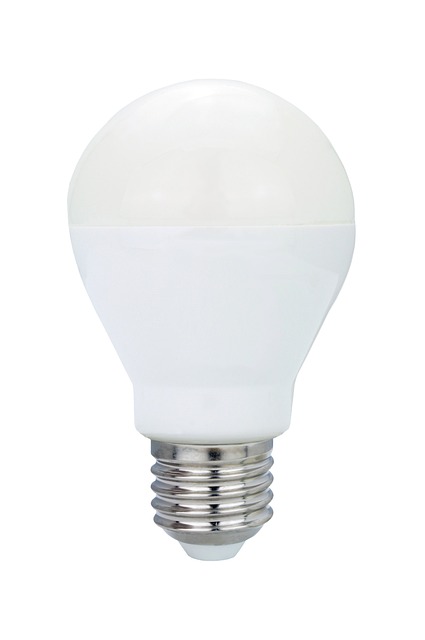
Energy efficient homes have emerged as a significant trend in modern property ownership, offering both financial benefits and environmental advantages. These dwellings are designed to optimize energy use, reducing utility bills for owners while minimizing their carbon footprint. Understanding the value of energy-efficient homes goes beyond initial costs; it involves recognizing long-term savings and the positive impact on the environment.
The benefits for property owners are multifaceted. Firstly, reduced energy consumption translates into lower heating, ventilation, and air conditioning (HVAC) expenses. According to recent studies, homeowners can expect an average 20-30% decrease in energy bills when living in well-insulated, energy-efficient homes. This is particularly significant for borrowers considering a long-term investment; energy-efficient mortgages often come with lower interest rates and higher borrowing limits (up to 3 times the traditional limit), making these properties more accessible and cost-effective. Moreover, such homes tend to retain their value better over time due to increasing environmental awareness and government incentives promoting sustainability.
Implementing energy-efficient practices also contributes to a healthier living environment. Better insulation, efficient appliances, and smart thermostats ensure optimal indoor air quality and temperature regulation. This not only enhances comfort but also reduces the risk of respiratory issues associated with poorly ventilated spaces. For property owners, this means improved overall health and well-being, especially in regions with extreme climates. Additionally, by adopting energy-efficient habits, homeowners can contribute to global sustainability efforts, ensuring a cleaner, more sustainable future for generations to come.
Designing for Energy Efficiency: Principles & Practices in Construction
Designing energy efficient homes has become a cornerstone of modern construction, reflecting both environmental responsibility and financial prudence for property owners. At its core, this approach leverages principles that minimize energy consumption while maximizing natural resources, leading to reduced carbon footprints and significant long-term savings. Key among these principles is passive design, which includes strategic orientation, well-insulated envelopes, and the use of natural ventilation and light to reduce reliance on active heating and cooling systems. For instance, orienting a home to take advantage of prevailing winds can create cross-ventilation, while carefully placed windows can harness sunlight for heating during winter months.
Construction practices play an equally vital role in achieving energy efficiency. Incorporating high-performance insulation, efficient windows, and airtight construction seals helps maintain comfortable indoor temperatures while minimizing heat loss or gain. Advanced technologies like smart thermostats, programmable thermostats, and energy-efficient appliances further optimize energy use. According to recent studies, homes that incorporate these practices can reduce energy consumption by 20-50% compared to traditional models, resulting in substantial savings for borrowers investing in energy efficient homes. This not only benefits the environment but also translates into lower utility bills over the lifespan of the property.
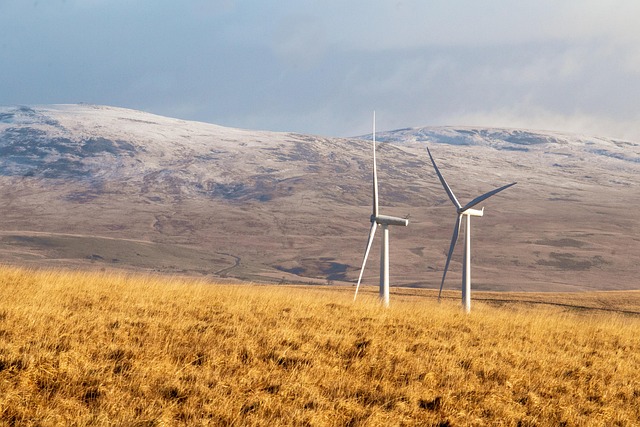
Beyond individual components, seamless integration between design and construction is paramount. A well-coordinated approach ensures that each element—from roof to foundation—works synergistically to enhance energy efficiency. For example, designing for natural lighting not only reduces electricity usage but also positively impacts mental health and overall well-being of occupants. Similarly, incorporating renewable energy sources like solar panels or wind turbines can significantly offset energy costs, making energy efficient homes an attractive proposition for borrowers seeking long-term financial stability and environmental stewardship. Embracing these practices ensures that today’s homes not only meet the needs of their inhabitants but also leave a positive mark on future generations.
Implementing Green Features: Creating a Comfortable, Sustainable Home
Implementing Green Features is a cornerstone of creating energy efficient homes, offering both environmental and economic benefits for property owners. These features not only reduce a home’s carbon footprint but also enhance comfort and indoor air quality. For instance, insulation made from recycled materials can significantly improve energy efficiency while preventing moisture buildup. Similarly, energy-efficient appliances and LED lighting not only save on utility bills but also contribute to a healthier living environment. According to recent studies, homes with comprehensive green features can achieve energy savings of up to 30% compared to conventional counterparts.
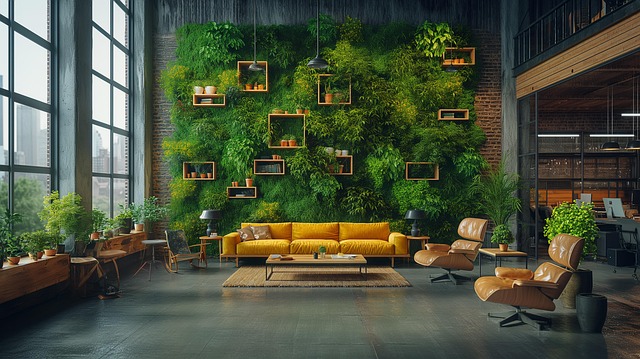
One of the key aspects in transforming a home into an energy efficient haven is thoughtful design and selection of materials. Using natural, locally sourced materials such as bamboo or reclaimed wood not only reduces transportation emissions but also adds aesthetic appeal. Additionally, incorporating passive solar heating and cooling strategies can dramatically decrease reliance on active systems. For example, strategic window placement and overhangs can harness sunlight in winter while providing shade during hot months. These design choices align with the growing trend of sustainable living and resonate with environmentally conscious borrowers who seek energy efficient homes as part of their investment criteria.
Green features extend beyond materials and design; they encompass advanced technologies that integrate seamlessly into daily life. Smart home systems, for instance, enable owners to monitor and control energy usage remotely, optimizing comfort and efficiency. Solar panels, coupled with battery storage systems, offer a path to energy independence, further reducing utility costs. As the market for energy efficient homes continues to expand, lenders are increasingly recognizing the value of these features, adjusting borrower requirements accordingly. This shift reflects a broader industry trend towards sustainability, ensuring that both homeowners and investors reap long-term benefits.
Long-Term Savings: Maintenance & Operations Strategies for Energy Conservation
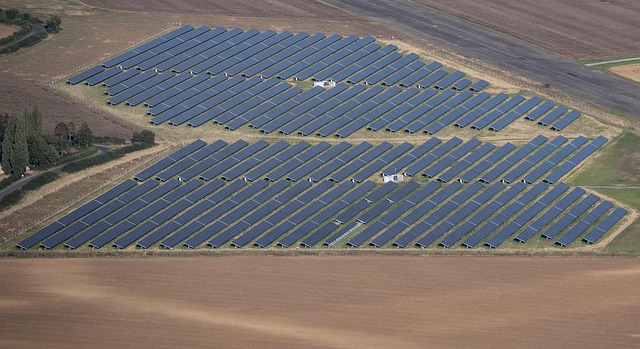
Energy efficient homes offer more than just environmental benefits; they represent a significant long-term investment for property owners. While the initial costs of implementing energy-saving features can be substantial, these strategies pay dividends over time through reduced utility bills and lower maintenance expenses. This section delves into the critical area of maintenance and operations as key components in maximizing the financial savings inherent to energy efficient homes.
Regular, proactive maintenance is a cornerstone of energy conservation. For instance, high-efficiency heating and cooling systems, though more expensive upfront, can save homeowners up to 40% on energy costs compared to traditional models over their lifetimes. Regular tune-ups ensure these systems operate at peak efficiency, preventing small issues from escalating into costly repairs. Similarly, energy efficient homes often incorporate advanced insulation, sealing air leaks, and efficient lighting, all of which require minimal upkeep but deliver consistent savings.
Borrowers considering investments in energy efficient homes should be aware of specific requirements that can impact their financial plans. Government incentives, such as tax credits and rebates, are widely available for making energy-saving upgrades, significantly offsetting initial costs. Additionally, some lenders offer specialized mortgages designed to fund energy efficiency improvements, providing borrowers with flexible financing options. For instance, a 15-year fixed-rate mortgage with a lower interest rate can make it financially attractive to finance energy efficient home renovations that yield substantial long-term savings.
As the demand for energy efficient homes grows, so does the availability of data on their performance. Studies show that homes achieving ENERGY STAR certification can save an average American family up to $200 per year on utility bills. Moreover, these homes tend to have higher property values, with some reports indicating a 5-10% increase compared to conventional homes. This combination of financial savings and increased asset value underscores the sound investment that energy efficient homes represent for borrowers in the long term.