Energy efficient homes offer first-time buyers significant financial savings through reduced utility costs, higher property value, and government incentives. Key features include proper insulation, high-performance appliances, smart thermostats, and renewable energy sources. Certification programs like ENERGY STAR verify energy performance, and lenders provide special financing for green buildings. Governments offer tax credits, grants, and rebates to offset initial costs, encouraging sustainable living and long-term financial health.
In today’s world, purchasing an energy efficient home is not just a smart financial decision but also contributes to a sustainable future. For first-time buyers, however, navigating the concept can be daunting. Many wonder where to begin, what aspects to consider, and how these homes fit within their budgets. This article provides an authoritative guide, breaking down complex ideas into actionable explanations. We’ll explore key elements that define energy efficient homes, demystify common misconceptions, and offer practical tips for first-time buyers looking to make informed choices. By the end, you’ll be equipped with the knowledge to embrace this smart investment confidently.
Understanding Energy Efficient Homes: The Basics
Understanding energy efficient homes is a crucial first step for any first-time buyer looking to make an informed decision in today’s market. These homes are designed to optimize energy use, offering significant long-term savings and environmental benefits. The core concept revolves around creating structures that require less power for heating, cooling, lighting, and other utilities, thereby reducing a household’s carbon footprint. This approach leverages advanced building techniques, high-performance materials, and smart technology to create comfortable living spaces while minimizing energy consumption.
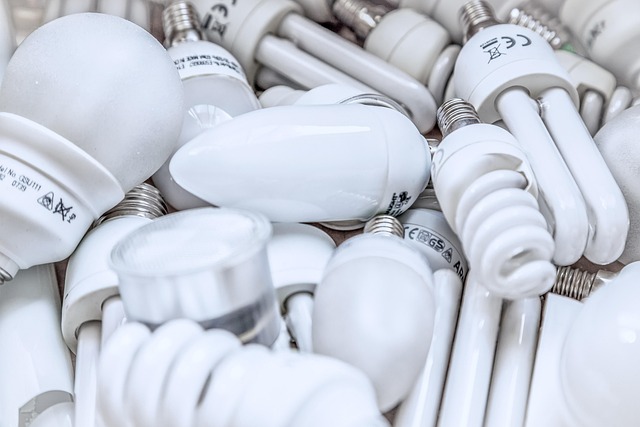
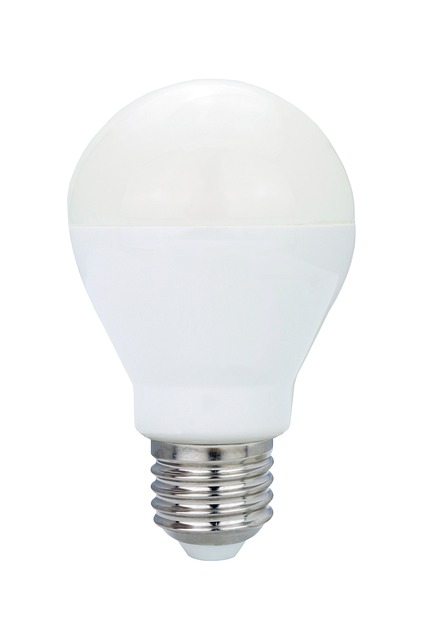
Key features of energy efficient homes include proper insulation, energy-efficient appliances, and the integration of renewable energy sources like solar panels. For instance, according to recent studies, homes with proper insulation can save up to 20% on heating bills and 15% on cooling costs annually. Moreover, energy-efficient appliances, such as LED light bulbs and Energy Star-rated appliances, contribute to overall energy conservation without compromising performance or comfort. Borrowers interested in purchasing these homes often find that their energy savings translate into substantial long-term financial benefits, making it a wise investment for many.
For first-time buyers, understanding the borrower requirements associated with energy efficient homes is essential. Lenders typically consider these properties as lower-risk investments due to their potential for reduced utility costs. In some cases, borrowers may qualify for special financing programs or tax incentives designed to encourage the adoption of energy-efficient practices. For example, the Federal Housing Administration (FHA) offers loans with relaxed down payment requirements for homes that meet certain energy efficiency criteria. This accessibility makes energy efficient homes an attractive option for those looking to enter the housing market.
When evaluating these properties, buyers should look beyond initial savings and consider the broader impact on their lifestyle and the environment. Energy efficient homes often come with advanced home automation systems that allow for precise control over lighting, temperature, and security. This technology not only enhances comfort but also contributes to overall energy conservation by ensuring that systems operate only when needed. By embracing these innovations, first-time buyers can enjoy a modern, sustainable lifestyle while playing their part in addressing climate change.
Benefits for First-Time Homebuyers: Savings & Sustainability
For first-time homebuyers, considering energy efficient homes presents a compelling blend of financial savings and environmental sustainability. These homes are designed to optimize energy use, offering long-term benefits that extend far beyond lower utility bills. According to the U.S. Department of Energy, homeowners can expect to save 20-30% on their energy costs by choosing energy efficient models. This significant reduction is achieved through innovative building techniques, high-performance appliances, and smart design choices that minimize energy waste.
One of the primary advantages for borrowers is the potential for substantial long-term savings. Energy efficient homes naturally reduce heating, cooling, and lighting expenses, which can represent a considerable portion of a household’s monthly budget. For instance, a study by the Environmental Protection Agency (EPA) found that homeowners who invest in energy-efficient appliances and systems can save an average of $200 per year on utility bills. These savings can be particularly impactful for first-time buyers, many of whom are navigating financial responsibilities for the first time. By prioritizing energy efficiency, borrowers can ensure a more sustainable and affordable homeownership experience.
Moreover, energy efficient homes contribute to a greener future by reducing a household’s carbon footprint. This aspect becomes increasingly important as governments worldwide implement stricter environmental regulations. Borrowers interested in these homes may also benefit from various incentives and rebates offered by local, state, or federal programs to encourage sustainable living. These financial perks can make the initial investment more accessible and accelerate the return on that investment over time. For first-time buyers, aligning homeownership with sustainability goals not only benefits the environment but also positions them as responsible stewards of their future homes.
Key Features of Energy-Efficient Residences
Energy-efficient homes have emerged as a game-changer for first-time buyers looking to make responsible and sustainable choices. These residences are designed with an eye towards minimizing energy consumption and reducing environmental impact, making them an attractive option for those seeking long-term savings and a greener lifestyle. When considering the purchase of such a home, borrowers should focus on key features that not only contribute to energy efficiency but also have a significant bearing on their financial well-being.
One of the primary aspects to consider is insulation. Energy efficient homes often boast superior insulation in walls, attics, and floors, which plays a crucial role in maintaining consistent indoor temperatures year-round. For instance, high-performance insulation materials like cellulose or foam help trap heat during winter and keep homes cool in summer, reducing reliance on heating and cooling systems. According to recent studies, homes with adequate insulation can save borrowers up to 20% on energy bills compared to poorly insulated properties. Moreover, features such as double-pane windows and advanced door sealing mechanisms further enhance the energy efficiency of these residences by minimizing heat transfer, thereby lowering energy consumption and utility costs for buyers.
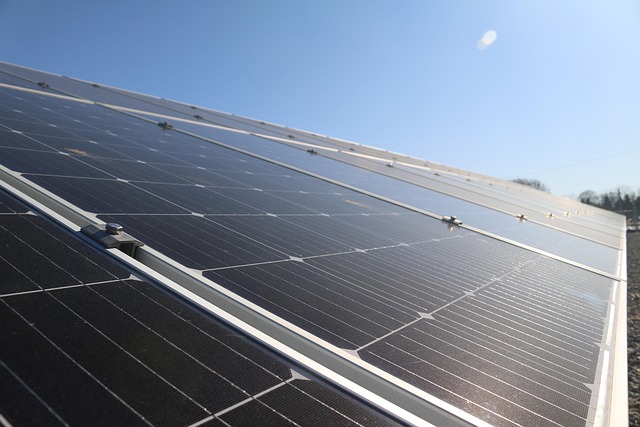
Another critical feature is smart thermostats and home automation systems. These technologies enable borrowers to precisely control their indoor climates, optimizing energy usage based on occupancy and time of day. For example, a programmable thermostat can adjust the temperature settings automatically during off-peak hours, saving energy without compromising comfort. Energy efficient homes may also incorporate solar panels or wind turbines for renewable energy generation, further reducing utility expenses. Borrowers should assess these options as part of their financing plans, keeping in mind that investments in energy efficiency can translate into significant savings over the life of a mortgage (1-3 times the initial cost, on average), making them a sound financial decision for first-time home buyers.
Buying an Efficient Home: What to Look For

When considering an energy efficient home for the first time, buyers must look beyond traditional aesthetics and focus on features that promote long-term cost savings and environmental sustainability. Key indicators of energy efficiency include well-insulated walls and roofs, high-performance windows, energy-efficient appliances, and smart thermostats capable of learning resident patterns. For instance, according to the U.S. Department of Energy, homes with proper insulation can save up to 20% on heating bills and 15% on cooling costs annually.
Moreover, borrowers interested in energy efficient homes should look for certification programs such as ENERGY STAR or LEED (Leadership in Energy and Environmental Design). These certifications provide independent verification that a property meets strict criteria for energy performance and environmental design. When financing these homes, lenders may offer special programs tailored to green buildings, providing lower interest rates or forgivable grants—a significant benefit for first-time buyers aiming to save on both their purchase and utility expenses.
Another critical aspect is understanding the specific borrower requirements for energy efficient homes. Lenders often require additional documentation to substantiate energy savings, such as utility bills or third-party assessments. However, these requirements can vary depending on the lender and loan program. For example, some federal and state programs offer streamlined financing options specifically for energy-efficient improvements, making it easier for buyers to access funds for retrofits or upgrades. By proactively researching these options and working with lenders familiar with green lending practices, first-time homebuyers can navigate the process more effectively.
In today’s market, savvy buyers recognize that investing in an energy efficient home is not just a smart financial decision but also a responsible step towards a sustainable future. Understanding what to look for and being aware of borrower requirements empowers first-time buyers to make informed choices, ultimately leading to significant long-term savings and reduced environmental impact.
Financial Incentives and Rebates for Green Homes
For first-time homebuyers considering energy efficient homes, understanding financial incentives and rebates can significantly impact their decision and long-term savings. Many governments and utility companies offer attractive programs to promote environmentally friendly housing choices, often in the form of tax credits, grants, or direct rebates. These incentives are designed to offset the initial higher costs associated with purchasing and retrofitting energy efficient homes, making them more accessible and affordable options for borrowers.
The U.S. Department of Energy, for instance, provides a range of incentives through its Energy Efficient Home Programs. One notable example is the Energy Efficiency and Renewable Energy (EERE) program, which offers rebates and loans for various energy-saving home improvements. Similar initiatives exist globally, such as the UK’s Green Homes Grant, which helps homeowners fund insulation, heat pumps, and other measures to reduce energy consumption. These programs encourage buyers to invest in energy efficient homes by offering direct financial support, making these homes more appealing and cost-effective choices.
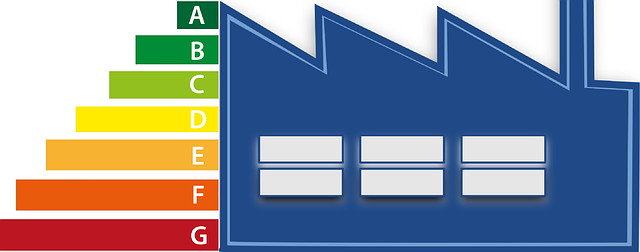
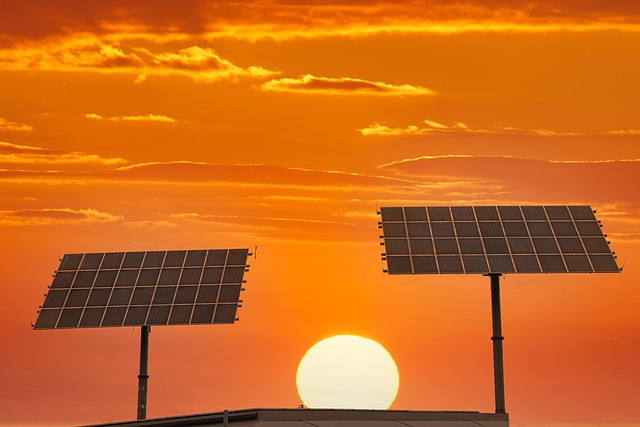
When exploring energy efficient homes, borrowers should delve into available local, state, or federal incentives. Requirements vary, but many programs target specific home features like solar panels, advanced insulation, or energy-efficient appliances. For instance, some rebates might be tied to achieving a certain Home Energy Score, indicating the home’s overall energy efficiency. As these requirements can differ widely, borrowers should research and compare local offerings to maximize their savings potential. Understanding these financial incentives is crucial for first-time buyers looking to make informed decisions about energy efficient homes, ensuring both environmental benefits and significant long-term financial gains.
Long-Term Value: Investing in Energy Efficiency

Investing in energy efficient homes isn’t just an environmentally conscious choice; it’s a strategic decision that can yield significant long-term value for first-time buyers. These homes are designed to reduce utility costs substantially over time, providing a consistent savings that can offset mortgage payments and enhance financial stability. Studies show that energy efficient homes often sell for 5-10% more than conventional counterparts, a testament to their growing desirability in today’s market. This premium reflects not only the immediate cost savings but also the reduced maintenance and operational expenses associated with these properties.
One of the key benefits of energy efficient homes is the potential for substantial returns on investment. Borrowers can qualify for various incentives and rebates offered by governments and utility companies, further reducing upfront costs. For instance, first-time homebuyers in certain regions may be eligible for tax credits up to 30% of the cost of installing energy-efficient appliances or solar panels. These savings can make the purchase more affordable and accelerate the payoff of the mortgage. Moreover, as inflation rises, the fixed utility expenses in energy efficient homes become increasingly attractive, providing a hedge against rising living costs.
To maximize these benefits, borrowers should consider their long-term goals and budget accordingly. When evaluating energy efficient homes, it’s crucial to assess not just the initial purchase price but also the ongoing operating costs. This includes factoring in potential future upgrades that enhance energy efficiency, ensuring these investments align with your financial plans. For example, a smart thermostat or energy-efficient appliances might require an upfront investment but can lead to substantial savings over five or ten years. By prioritizing energy efficiency from the outset, borrowers position themselves for sustained financial health and contribute positively to a sustainable future.