Energy efficient homes naturally minimize energy use, reduce carbon footprints, and lower utility bills (20-30%). Key features include smart thermostats, high-performance windows, effective ventilation, and strategic design like passive solar heating and advanced sealing. Lenders offer attractive terms for energy-efficient mortgages (EEMs). Audits identify areas for improvement, guiding homeowners to significant financial benefits, higher property values, and environmental sustainability. Converting existing homes to energy efficient improves comfort, reduces costs, and attracts eco-conscious borrowers.
In today’s world, the transition to sustainable living is not just a trend but an imperative for property owners. The need for energy efficient homes has never been more pressing, given the environmental impact of traditional construction and the escalating costs of energy consumption. This comprehensive report aims to demystify the concept of energy efficient homes, providing practical insights into their design, implementation, and tangible benefits. By exploring innovative solutions and highlighting real-world examples, we empower property owners to make informed decisions, contribute to a greener future, and significantly reduce utility bills.
Understanding Energy Efficient Homes: The Basics
Energy Efficient Homes: Unlocking Sustainable Living for Property Owners
Understanding the fundamentals of energy efficient homes is a crucial first step for property owners looking to reduce environmental impact and lower utility bills. An energy efficient home is designed to minimize energy consumption through strategic insulation, high-performance windows, and effective ventilation systems. These homes leverage modern technology and building practices to create comfortable living spaces while reducing their carbon footprint. For instance, smart thermostats allow homeowners to optimize heating and cooling, saving energy and money year-round. According to the U.S. Department of Energy, homes that incorporate energy efficiency measures can reduce utility bills by 20-30% or more.
One key aspect of energy efficient homes is the consideration of borrower requirements. Lenders increasingly recognize the long-term financial benefits of energy-efficient mortgages (EEMs), which encourage homeowners to invest in sustainable features. EEM programs offer lower interest rates, smaller down payments, and flexible repayment terms for borrowers who meet specific criteria related to home energy performance. These incentives can make owning an energy efficient home more accessible and cost-effective. For example, the Department of Energy’s ENERGY STAR program provides guidance and recognition for homes that achieve a minimum 15% energy efficiency improvement over baseline standards.
Homeowners interested in transitioning to energy efficient living should start with a comprehensive audit. This involves assessing the home’s insulation, air sealing, heating/cooling systems, lighting, and appliances. Once identified, areas of improvement can be prioritized based on cost-effectiveness and potential energy savings. A professional energy auditor can provide detailed recommendations tailored to the specific needs and climate conditions of the region. By embracing these principles and taking advantage of available resources, property owners can contribute to a greener future while enjoying significant financial benefits from their investment in energy efficient homes.
Benefits of Energy Efficiency for Property Owners

Energy efficient homes have emerged as a game-changer for property owners, offering a multitude of benefits that extend beyond environmental sustainability. By adopting energy efficiency measures, homeowners can significantly reduce their utility bills, making their properties more financially attractive and valuable. For instance, according to recent studies, homes certified as energy efficient sell for 9-12% more than comparable non-efficient homes, providing an immediate return on investment.
One of the key advantages is the substantial reduction in energy consumption. Energy efficient homes naturally incorporate features such as better insulation, high-performance windows, and energy-saving appliances, which collectively decrease heating, cooling, and lighting costs. For borrowers considering home ownership or looking to refinance, these savings can translate into lower monthly payments, making homeownership more accessible and affordable. This is especially true for those with variable-rate mortgages, where consistent energy cost reductions can help stabilize their financial outlook.
Moreover, energy efficiency enhances the comfort and livability of a home. Smart temperature control systems and natural lighting strategies ensure that interiors remain at optimal levels year-round, eliminating discomfort associated with extreme weather conditions. This not only improves the quality of life for occupants but also reduces the risk of health issues related to extreme temperatures. From a borrower’s perspective, these improvements can increase property appeal, making it easier to attract tenants or buyers in a competitive market, further underscoring the financial benefits of energy efficient homes.
Designing and Building an Energy-Efficient Home
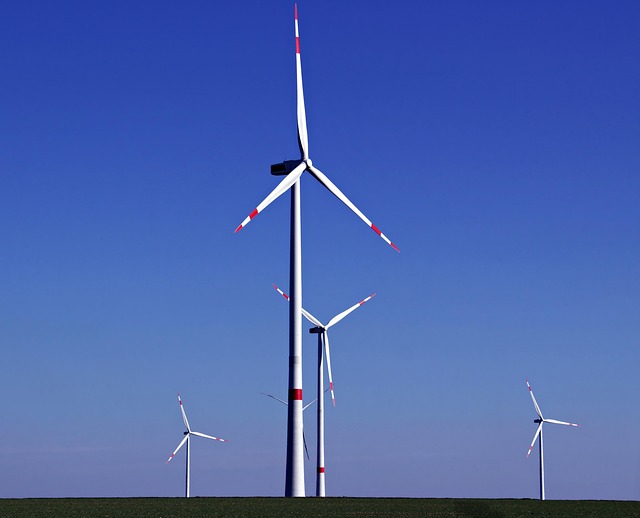
Designing and building an energy-efficient home is a strategic approach to creating a comfortable living space while significantly reducing energy consumption. This process involves a holistic view of architecture, engineering, and construction practices tailored to optimize natural resources. For property owners, embracing these principles not only minimizes utility bills but also contributes to environmental sustainability. Energy-efficient homes incorporate design elements that take advantage of passive solar heating, strategic insulation, and efficient ventilation systems. For instance, well-placed windows can capture morning sunlight, warming the interior naturally without relying on artificial heating sources.
An integral part of building an energy-efficient home is selecting materials with a low environmental impact and high thermal mass properties. Natural, locally sourced materials like wood, stone, and clay can absorb and store heat, helping to regulate indoor temperatures. This is particularly important in regions with extreme climates, where efficient homes can reduce the burden on heating or cooling systems by up to 50%. According to recent studies, energy-efficient homes offer average savings of 20-30% on energy bills, making them a financially prudent choice for borrowers. When designing these homes, careful consideration is given to minimizing air leaks through advanced sealing techniques and high-performance windows, preventing the loss of heated or cooled air.
Borrowers interested in energy-efficient homes should be aware of specific requirements that can enhance their loan options. Lenders are increasingly recognizing the long-term savings associated with these properties, offering competitive rates and terms for qualified borrowers. Incorporating energy efficiency measures not only benefits the environment but also serves as a financial strategy for homeowners. Advanced technologies such as smart thermostats, LED lighting, and energy-efficient appliances further streamline energy use, making modern, efficient homes both comfortable and cost-effective. As the demand for sustainable living continues to grow, designing and building energy-efficient homes are becoming increasingly important, not only for individual property owners but also for the broader community and the planet as a whole.
Implementing Energy Saving Measures in Existing Homes
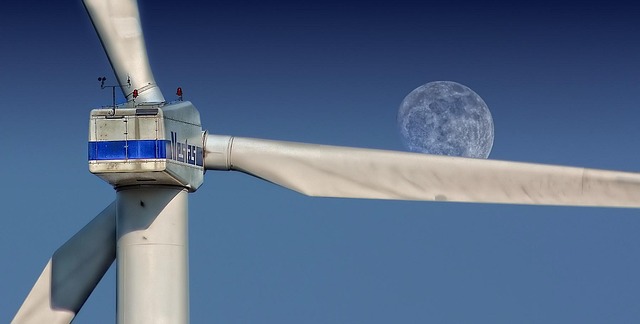
Transforming existing homes into energy-efficient havens is a powerful strategy for property owners to reduce costs and contribute to sustainability. While new constructions often prioritize energy efficiency, there’s a significant opportunity to enhance the eco-friendliness of older dwellings. This process involves a series of measured steps that not only lower utility bills but also attract environmentally conscious borrowers, who increasingly view such homes as wise investments.
Implementing energy-saving measures requires a strategic approach. Start with an audit to identify areas for improvement, focusing on insulation, windows, heating and cooling systems, lighting, and appliances. For instance, adding insulation to attics and walls can significantly reduce heat loss in winter and heat gain in summer. Similarly, replacing old windows with double-glazed models can cut down on energy expenditure by up to 30%. These improvements not only create a more comfortable living environment but also make homes more attractive to eco-conscious borrowers. In recent years, there’s been a notable trend of lenders offering lower interest rates and favorable terms for homeowners who invest in energy efficiency, further incentivizing these upgrades (Energy.gov, 2023).
Beyond direct savings, energy-efficient homes offer indirect benefits. They often command higher property values due to their reduced operational costs and appeal to tenants or buyers with environmental priorities. Property owners can also leverage tax incentives and rebates available in many regions for implementing energy-saving features, making the initial investment more feasible. By embracing these measures, homeowners not only secure financial savings but also play a role in creating a sustainable future, proving that achieving energy efficiency is both responsible and rewarding.