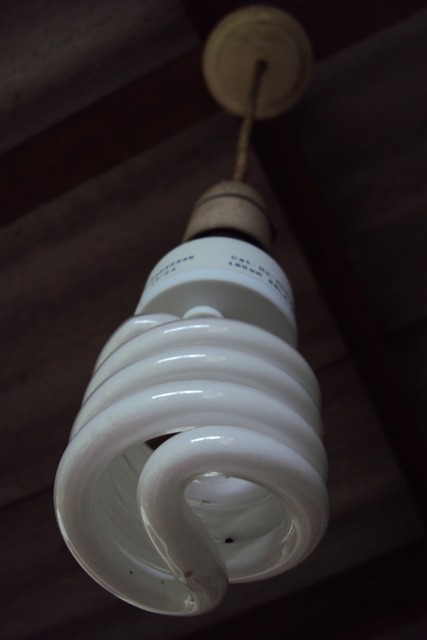
Energy efficient homes naturally are in high demand, offering significant advantages for sellers in today's market. These homes appeal to environmentally conscious buyers, who are willing to pay a premium for lower energy consumption. Upgrading to energy efficiency through measures like LED lighting and better insulation can reduce energy bills by 20-30%. Architectural strategies harnessing natural comfort mechanisms, such as natural ventilation and passive solar heating, enhance energy efficiency and cost savings. Smart technologies optimize energy use, reducing utility costs by up to 15%. Energy efficient homes provide up to 30% reduction in heating and cooling costs, better property value retention, and strategic return on investment. This creates a win-win scenario, fostering sustainability and financial stability.
In today’s market, energy efficient homes are not just a trend, but a critical consideration for sellers aiming to maximize their investment. As environmental consciousness grows, homebuyers increasingly seek residences that minimize energy consumption, offering both cost savings and environmental benefits. This expert report provides a comprehensive guide for sellers, detailing the strategies and steps to transform their properties into energy-efficient homes that appeal to modern buyers. By implementing these practices, sellers can enhance their listings’ appeal, attract a broader market, and ultimately achieve better sales outcomes.
Understanding the Market Advantage of Energy Efficient Homes
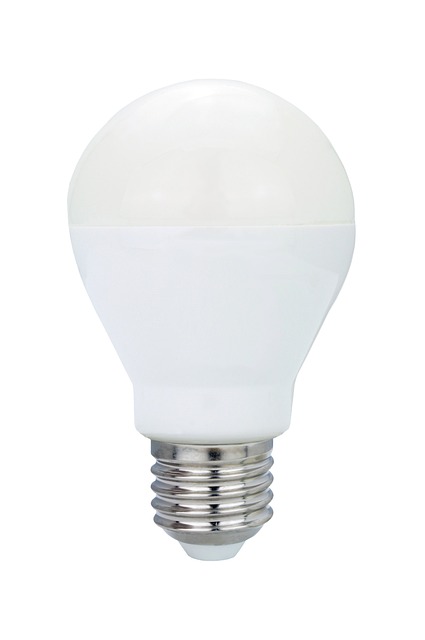
In today’s market, energy efficient homes are not just environmentally friendly; they offer a significant market advantage for sellers. The demand for sustainable living has surged, with a growing number of potential homebuyers actively seeking out properties that minimize energy consumption. This trend is reflected in recent studies showing that homes certified as energy efficient sell for 10-15% more than their non-efficient counterparts. This is a crucial shift for sellers, as it presents an opportunity to attract a broader range of buyers and command higher prices.
Energy efficient homes have become a key selling point, especially for younger, environmentally conscious buyers. These individuals are often more willing to pay a premium for properties that align with their values. For instance, a study by the U.S. Department of Energy found that homes with Energy Star certification consistently sell for a premium, with an average price increase of 3-5%. This advantage extends to borrower requirements, as many lenders now offer lower interest rates and more favorable terms for energy-efficient mortgages, further incentivizing both buyers and sellers to prioritize energy efficiency.
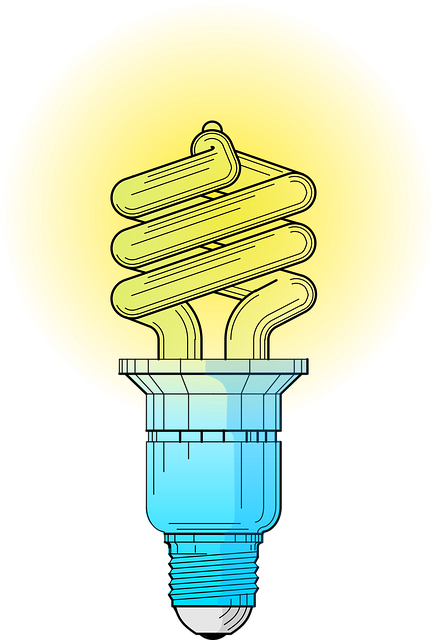
Sellers can leverage the market advantage of energy efficient homes by investing in strategic upgrades. Simple measures like LED lighting, energy-efficient appliances, and better insulation can significantly improve a home’s energy efficiency and appeal to potential buyers. According to the Environmental Protection Agency, homes that incorporate these upgrades can save occupants 20-30% on their energy bills, making them more attractive to prospective buyers who are conscious of long-term savings. By understanding and capitalizing on these borrower requirements and market trends, sellers can position their properties as desirable, modern, and cost-effective, ensuring a stronger competitive edge in the real estate market.
Designing for Efficiency: Architectural Strategies for Natural Comfort

In the pursuit of creating energy efficient homes, architectural strategies that harness natural comfort mechanisms offer a compelling approach. This design philosophy not only reduces reliance on artificial energy sources but also cultivates a living environment that is both economical and harmonious with its surroundings. By integrating natural ventilation, passive solar heating, and strategic orientation, architects can significantly enhance energy efficiency, translating to substantial cost savings for homeowners, especially in the current climate of fluctuating energy prices. For instance, well-placed windows and strategic landscaping can facilitate cross-ventilation, reducing the need for air conditioning, while overhangs and shaded areas protect against overheating during summer months.
The design of energy efficient homes naturally extends to the selection of building materials and insulation techniques. Utilization of locally sourced, sustainable materials not only minimizes the carbon footprint associated with transportation but also provides better thermal mass, contributing to more stable indoor temperatures. Advanced insulation technologies, such as high-performance fiber glass or foam insulation, play a pivotal role in minimizing heat transfer, ensuring homes remain comfortable year-round with minimal energy input. These strategies not only benefit the borrower by lowering utility bills but also enhance the long-term value of the property.
Moreover, integrating natural lighting and proper daylighting techniques can significantly reduce the energy demands of lighting systems. Large, strategically placed windows and skylights maximize natural light, making spaces brighter and more inviting, while also reducing the need for artificial lighting during daylight hours. This is a key consideration in the design of energy efficient homes, as it directly impacts borrower requirements, with many lenders now factoring energy efficiency into mortgage approvals and interest rates. By prioritizing daylighting, designers can create spaces that are both aesthetically pleasing and economically viable.
Incorporating these architectural strategies requires a thoughtful, holistic approach, considering the unique climatic conditions, site characteristics, and client needs of each project. When executed effectively, these designs not only contribute to a more sustainable built environment but also offer borrowers a compelling argument for investment in energy efficient homes. This trend is gaining traction as homeowners and lenders alike recognize the financial and environmental benefits associated with these innovative building practices.
Smart Technologies: Automating Energy Savings in Your Home
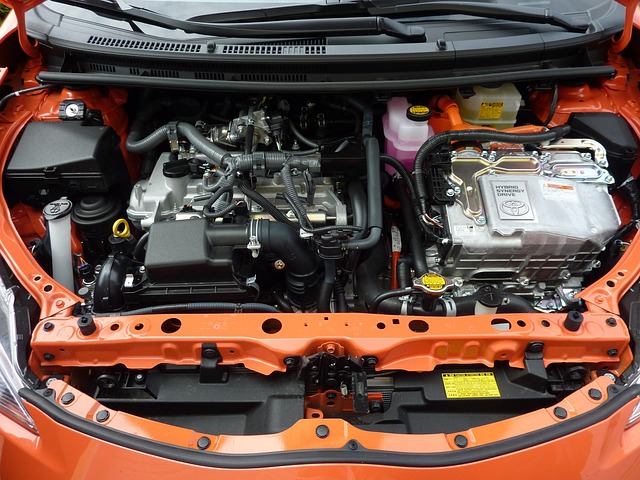
Smart technologies are transforming energy efficient homes into reality, offering a powerful way to reduce utility costs and attract environmentally conscious borrowers. These automated systems allow homeowners to optimize energy use, with many devices learning and adapting to individual routines. For instance, smart thermostats can adjust temperatures based on occupancy and time of day, reducing heating and cooling bills by up to 15%. Similarly, automated lighting systems react to natural light levels and human presence, minimizing energy waste.
In the context of energy efficient homes borrower requirements, these technologies appeal to lenders as they demonstrate a commitment to responsible living and long-term cost savings. Lenders are increasingly recognizing the value of smart home features in their loan assessments, viewing them as assets that enhance property value and reduce operational costs. Studies show that homes with integrated smart technology can command higher prices and shorter sales times compared to traditional listings, further underscoring their appeal to borrowers looking for both financial savings and market competitiveness.
Implementing these solutions requires careful planning and selection of compatible devices. Homeowners should start by assessing their energy consumption patterns and identifying areas for improvement. Many platforms now offer comprehensive audits that pinpoint specific inefficiencies within the home. Once targeted areas are identified, integrating smart devices becomes more straightforward, with many systems seamlessly communicating with one another to create a cohesive network. Regular monitoring of energy usage data provided by these technologies can help optimize settings further, ensuring energy efficient homes naturally without sacrificing comfort or convenience.
Long-Term Savings: Financial Benefits of Energy Efficient Living
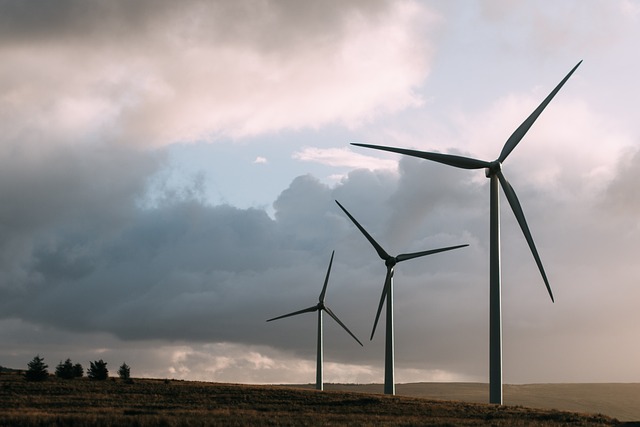
Energy efficient homes offer more than just environmental benefits; they are a powerful investment strategy for sellers looking to maximize long-term financial gains. The financial advantages of living in an energy-efficient residence are significant, appealing to both homeowners and borrowers alike. This trend is not just a passing fad but a substantial shift in the real estate market, driven by rising energy costs and a growing awareness of sustainable living.
One of the key benefits is the reduction in utility bills. According to the U.S. Department of Energy, homes that incorporate energy-efficient features can save up to 30% on heating and cooling costs. These savings can be substantial over time, with some studies indicating that energy-efficient homes can have a 20-40% lower annual energy consumption compared to traditional homes. For borrowers, especially those with fixed-rate mortgages, this translates into a smaller portion of their income dedicated to utility expenses, providing financial freedom and potentially allowing for increased discretionary spending in other areas. For sellers, promoting these savings can be a compelling marketing tool, attracting environmentally conscious buyers who understand the long-term financial benefits of energy efficiency.
Moreover, the financial incentives extend beyond utility savings. Energy-efficient homes often retain their value better than conventional properties. The U.S. Environmental Protection Agency (EPA) estimates that homeowners can recover 80-100% of the cost of energy-efficient upgrades when selling their homes. This is particularly attractive for borrowers who have invested in energy-efficient improvements as part of their mortgage requirements. These investments not only enhance the property’s appeal to buyers but also serve as a strategic way to ensure a sound return on their borrowing. By prioritizing energy efficiency, sellers and borrowers can create a win-win scenario, fostering a sustainable lifestyle while achieving financial stability.