Energy efficient homes are gaining popularity among first-time buyers as a responsible and cost-effective choice. Key features include advanced insulation, high-performance windows, smart thermostats, LED lighting, and efficient appliances, leading to significant utility bill savings (up to 20%). Specialized mortgage programs make financing these homes accessible. Long-term advantages include lower ownership expenses, higher resale values, and potential tax incentives. First-time buyers can leverage programs like the U.S. Department of Energy's Home Energy Retrofit Mortgage (HERM) and federal tax credits for installing solar panels. Regular inspection, smart thermostats, and responsible waste management are practical aspects to maximize savings and sustainability.
Energy efficient homes have emerged as a game-changer for first-time buyers looking to make sustainable choices without compromising comfort or affordability. In today’s world, where environmental concerns are paramount, understanding the benefits of these homes is crucial. The challenge lies in deciphering the complexities and implementing practical solutions that fit diverse budgets and lifestyles. This article provides an authoritative guide, breaking down intricate concepts into actionable explanations. We’ll explore proven strategies for navigating this landscape, empowering buyers to make informed decisions about energy efficient homes—a step towards a greener future.
Understanding Energy Efficient Homes: Basics Explained
Energy efficient homes have emerged as a crucial consideration for first-time buyers looking to make informed decisions about their future living spaces. To understand this concept fully, borrowers must grasp the fundamentals of what constitutes an energy-efficient residence and its associated benefits. This involves recognizing that such homes are designed to optimize energy use, reduce utility costs, and minimize environmental impact through various strategies and features.
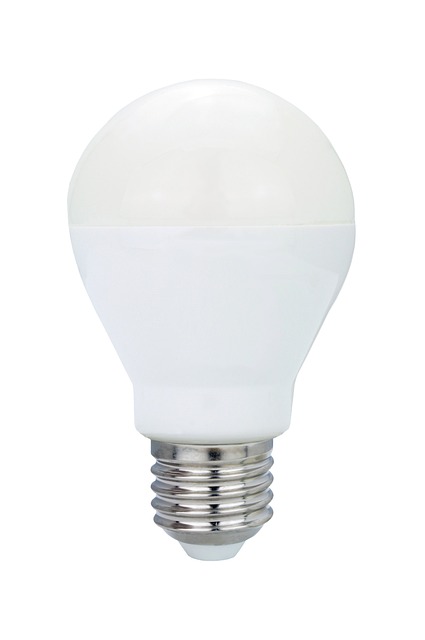
At its core, energy efficiency revolves around creating well-insulated structures with advanced heating, ventilation, and air conditioning (HVAC) systems. These homes often incorporate smart thermostats, LED lighting, and high-performance windows to regulate indoor temperatures and reduce energy wastage. For instance, according to the U.S. Department of Energy, homes built to modern energy-efficiency standards can save borrowers up to 20% on heating and cooling bills compared to older models. This translates into significant cost savings over time, making energy efficient homes a sound investment for first-time buyers looking to manage their finances effectively.
Moreover, understanding the borrower requirements for financing these homes is paramount. Lenders often offer specialized mortgage programs with lower interest rates and flexible terms to support individuals who prioritize energy efficiency. These incentives encourage the adoption of sustainable living practices while ensuring affordability. First-time buyers should research lenders who cater to green mortgages or energy-efficient home loans, as these options can streamline the financing process and make the dream of owning an eco-friendly residence a reality. By aligning their financial goals with environmental consciousness, borrowers can contribute to a more sustainable future while securing their place in the market.
Benefits for First-Time Buyers: Cost Savings and More

For first-time buyers, investing in energy efficient homes presents a compelling blend of environmental responsibility and significant financial benefits. These homes are designed to reduce utility bills substantially by leveraging innovative technologies and smart design principles. According to recent studies, energy efficient homes can save homeowners up to 30% on their energy costs compared to traditional counterparts. This translates into substantial savings over time, especially for those who plan to stay in their properties for the long term.
One of the most direct advantages is the reduction in electricity and heating bills. Energy efficient homes use advanced insulation, high-performance windows, and efficient appliances that work in harmony to minimize heat loss during winter and heat gain during summer. For instance, a study by the U.S. Department of Energy found that homes with proper insulation can save borrowers up to 20% on their heating bills alone. Furthermore, smart thermostats and programmable thermostats enable homeowners to optimize energy usage, further reducing costs without compromising comfort.
In addition to immediate cost savings, energy efficient homes offer long-term financial advantages. The reduction in utility expenses contributes to a lower overall home ownership cost, making it an attractive proposition for first-time buyers. Moreover, these homes often command higher resale values due to their appeal to eco-conscious buyers and potential tax incentives available through various governmental programs. For borrowers looking into mortgage options, lenders increasingly recognize the value of energy efficient homes, with some offering special financing programs tailored to these properties, further easing the financial burden on first-time buyers.
Key Features of Energy Efficient Design and Construction
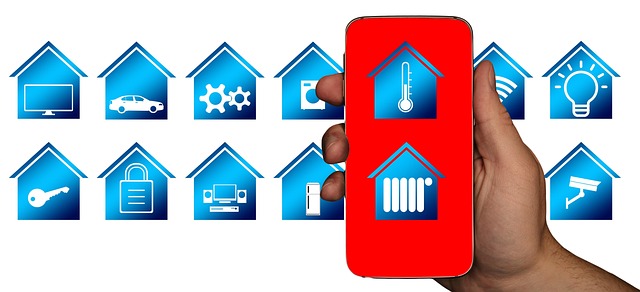
Energy efficient homes have emerged as a game-changer for first-time buyers looking to make informed, sustainable choices. These homes aren’t just environmentally friendly; they offer significant long-term savings on utility bills, making them an increasingly attractive option for borrowers. When considering an energy-efficient home, buyers should focus on key design and construction features that define these properties.
One of the primary aspects is insulation—a critical component in maintaining optimal indoor temperatures. High-performance insulation materials, strategically placed, can significantly reduce heat transfer, keeping homes warmer in winter and cooler in summer. For instance, cellular glass or foam insulation offers exceptional R-values, ensuring efficient temperature regulation. Additionally, energy-efficient windows play a vital role by minimizing heat gain or loss through glazing, often featuring low-emissivity coatings that reflect heat back into the home during colder months.
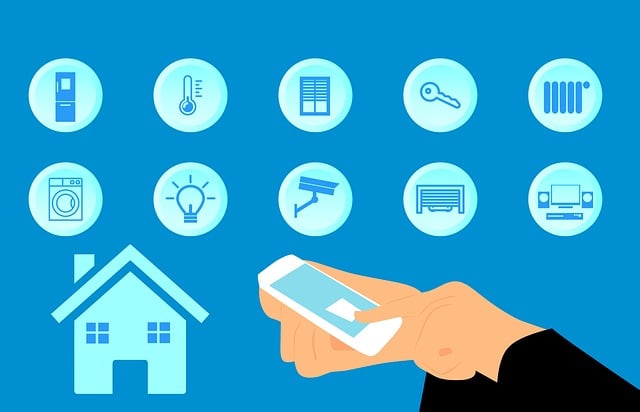
Another essential feature is the integration of smart thermostats and energy management systems. These technologies allow homeowners to precisely control heating, ventilation, and air conditioning (HVAC) systems, optimizing energy use. For first-time buyers, understanding these systems’ functionality and potential for savings—up to 15% on HVAC costs, according to studies—is crucial. Moreover, renewable energy sources like solar panels can be a standard inclusion in modern energy-efficient homes, providing clean electricity and potentially reducing utility expenses by up to 30%.
Borrowers considering energy-efficient homes should also be aware of the associated benefits for resale value. These properties often command higher prices due to their lower operating costs and enhanced appeal to environmentally conscious buyers. In today’s market, where sustainability is a top priority for many, an energy-efficient home can be a strategic investment decision, ensuring long-term savings and potential for increased property value.
Navigating the Market: Identifying Energy Star Homes
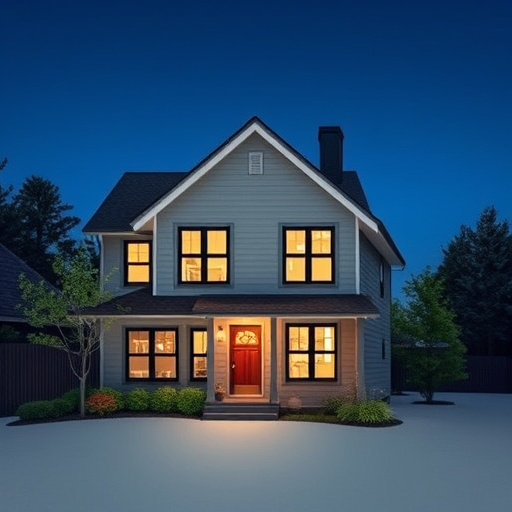
Navigating the market for energy efficient homes can seem overwhelming, especially for first-time buyers. With a growing emphasis on sustainability, understanding which properties meet energy efficiency standards is crucial. The Environmental Protection Agency’s Energy Star program offers a reliable guide, certifying homes that perform at least 15% better than typical construction. This not only reduces utility bills but also minimizes environmental impact. When searching for an energy efficient home, buyers should look for specific markers such as the Energy Star label, proper insulation, and modern HVAC systems. These features indicate a commitment to energy conservation without compromising comfort or lifestyle.
Firstly, borrowers interested in energy efficient homes should familiarize themselves with mortgage options tailored to these properties. Some lenders offer specialized programs with lower interest rates or flexible terms for Energy Star-certified homes. For instance, the U.S. Department of Energy’s Home Energy Retrofit Mortgage (HERM) program provides financing for energy efficiency improvements, making it easier to acquire or renovate a property that aligns with energy borrower requirements. Additionally, many utilities companies and local governments offer rebates and incentives for purchasing such homes, further reducing initial costs.
During the search process, engaging the services of a knowledgeable real estate agent can be invaluable. Experts in this field stay abreast of new developments in energy efficient housing and can guide buyers through available options. They can also help negotiate terms with sellers to ensure the chosen property meets not only energy efficiency standards but also aligns with the borrower requirements for financing. This collaborative approach ensures that first-time buyers make informed decisions, securing a home that not only suits their needs but also contributes positively to a sustainable future.
Financial Incentives and Programs for Green Purchases
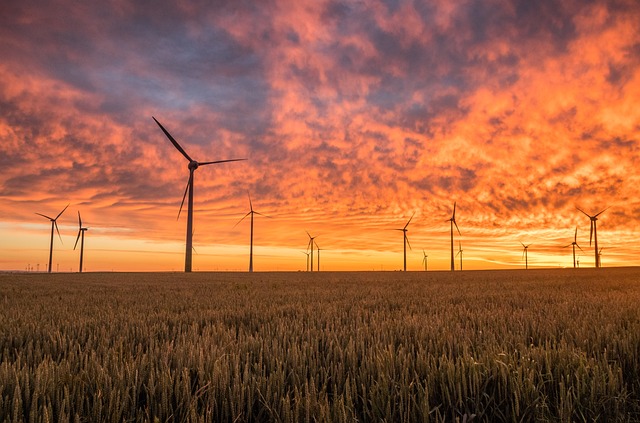
For first-time homebuyers considering energy efficient homes, a significant incentive lies in the financial programs designed to promote green purchases. These initiatives not only encourage environmentally conscious decisions but also offer substantial economic benefits that can make the transition to an energy-efficient residence more accessible. Many governments and financial institutions provide incentives such as tax credits, grants, or low-interest loans specifically tailored for homes incorporating renewable energy features or achieving high energy efficiency standards. For instance, in some regions, buyers may be eligible for a federal tax credit of up to 26% for installing solar panels, significantly offsetting the initial investment. These financial incentives are crucial in making energy efficient homes more affordable, especially for first-time buyers who may have limited capital.
Understanding borrower requirements is essential when navigating these programs. Lenders often assess the borrower’s creditworthiness and financial history to determine eligibility for green loan options. The process involves verifying that the home meets specific energy efficiency criteria set by the program guidelines. For example, a home undergoing an energy audit might need to demonstrate a certain level of energy savings or meet a minimum Home Energy Score to qualify for certain incentives. First-time buyers should be proactive in researching these requirements and gathering the necessary documentation to streamline the application process.
By taking advantage of available financial incentives, first-time homebuyers can make informed decisions when purchasing an energy efficient home. These programs not only promote sustainable living but also offer long-term savings on utility bills. For instance, a study by the U.S. Department of Energy found that homeowners who invest in energy-efficient appliances and systems can save an average of 20-30% on their energy bills annually. Such insights underscore the significant financial benefits associated with energy efficient homes, making them a sound investment for borrowers seeking both environmental stewardship and economic prudence.
Long-Term Value: Maintenance Tips for Sustainable Living
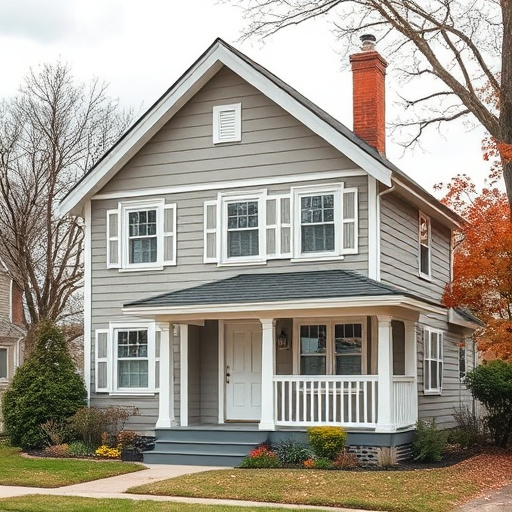
Energy efficient homes represent a significant investment for first-time buyers, offering not only immediate cost savings but also long-term value through sustainable living practices. While initial costs can be higher, these homes typically require less maintenance and result in substantial utility bill reductions over time. This section delves into the practical aspects of maintaining energy efficiency, focusing on actionable strategies that foster a healthier environment and financial stability.
Regular inspection is a cornerstone for sustaining energy efficiency. Homeowners should periodically check for any signs of air leaks around doors and windows, as well as assess the condition of insulation. Simple fixes like sealing gaps with caulk or adding more insulation can significantly impact energy conservation. Additionally, monitoring heating and cooling systems, including regular filter changes, ensures optimal performance and longevity. Many energy efficient homes incorporate smart thermostats that learn and adapt to usage patterns, further enhancing energy savings—a feature borrowers should consider when evaluating properties.
A key aspect of long-term value in energy efficient homes involves responsible waste management. Implementing recycling programs and composting can reduce the environmental footprint while potentially lowering garbage removal costs. Moreover, homeowners should explore local utility provider incentives for renewable energy systems, such as solar panels or wind turbines, which not only contribute to sustainability but may also offer financial benefits through power generation credits. By embracing these practices, first-time buyers can turn their investment into a sustainable lifestyle and a sound financial decision, aligning with the broader borrower requirements of responsible stewardship in modern homes.