Energy efficient homes are gaining popularity due to environmental concerns and utility cost awareness. They offer significant financial benefits through reduced energy consumption and increased property value (3-5% premium). Government incentives and favorable loan terms from lenders further enhance these savings. Designing such homes involves natural materials, passive design, high-performance envelopes, and advanced insulation. Certified efficient homes can command up to 15% higher sale prices. Smart thermostats and proper insulation are key components. Renewable energy sources like solar panels, wind power, and geothermal heat pumps make these homes more appealing and affordable. Selling energy efficient homes attracts environmentally conscious buyers seeking long-term financial savings and reduced utility bills. Integrating these features strategically positions sellers as forward-thinking individuals.
In today’s market, energy efficient homes are not just a trend—they’re a smart investment. As sellers navigate a competitive landscape, understanding the value of green features can significantly enhance property appeal and saleability. The problem lies in the lack of comprehensive guidance for sellers to effectively position their homes in this growing sector. This expert report bridges that gap by offering a strategic framework for creating and marketing energy efficient homes, ensuring both environmental responsibility and financial gain. By adopting natural methods and best practices, sellers can capitalize on the increasing demand for sustainable living spaces, delivering genuine value to buyers while maximizing returns.
Understanding Energy Efficient Homes: Benefits for Sellers
Energy efficient homes have emerged as a significant trend in the real estate market, offering numerous benefits not just for buyers but also for sellers. As concerns over environmental impact and utility costs grow, prospective homeowners are increasingly seeking out properties that align with energy efficiency standards. This shift presents a unique opportunity for sellers to enhance their property’s appeal and market value. Understanding the advantages of energy efficient homes is crucial in today’s competitive real estate landscape.
One of the primary benefits for sellers lies in the financial savings these homes offer. Energy efficient homes naturally consume less energy, resulting in reduced utility bills for occupants. According to recent studies, properties with superior energy efficiency can command a premium of 3-5% more than similar non-efficient homes, with some markets showing even higher premiums. This translates into significant gains for sellers at the time of sale or when securing better terms for refinance. Moreover, certain government incentives and rebates are often available to encourage the adoption of energy-saving features, further augmenting these savings.
Additionally, energy efficient homes cater to a growing borrower requirement. Lenders and mortgage providers increasingly consider a property’s energy efficiency as part of their risk assessment. Homes with better energy performance are seen as less risky investments, potentially leading to more favorable loan terms for both buyers and sellers. For instance, lower interest rates or reduced down payment requirements can be negotiated based on the property’s energy efficiency certifications. This not only benefits current sellers but also sets the stage for future buyers to reap similar advantages.
Assessing Your Home's Energy Potential: Initial Steps
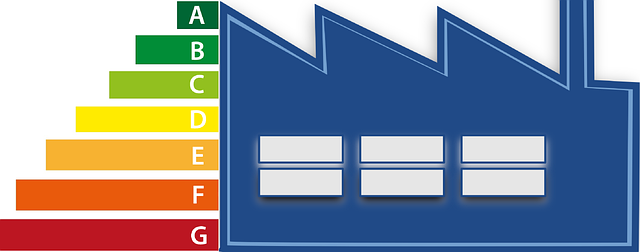
Assessing your home’s energy potential is a crucial first step for any seller aiming to maximize the value of their property in today’s market, particularly when considering the growing demand for energy efficient homes. This initial evaluation allows sellers and prospective buyers alike to identify areas where significant improvements can be made, thereby enhancing the home’s appeal to eco-conscious borrowers. Key considerations include an audit of heating and cooling systems, lighting efficiency, insulation, and window sealing—all factors that contribute to a home’s overall energy efficiency. For instance, according to recent studies, homes with proper insulation and efficient windows can save up to 20% on energy bills, making them more attractive to borrowers looking for cost-effective living solutions.
One of the primary steps in this process involves an assessment of your home’s current energy consumption patterns. Sellers should obtain and review their utility bills from the past year to identify peaks and trends. This data can reveal areas of concern, such as unusually high heating or cooling costs, which may indicate inefficiencies that could be addressed through simple upgrades or more substantial renovations. Understanding these patterns is also essential when considering borrower requirements for energy efficient homes, as many lenders now offer lower interest rates and favorable terms for properties that demonstrate a commitment to sustainability. For example, borrowers looking to purchase or refinance an energy-efficient home may qualify for federal tax credits, grants, or special loan programs designed to incentivize eco-friendly choices.
Beyond utility bills, engaging the services of a professional energy auditor can provide a comprehensive evaluation of your home’s energy potential. These experts use advanced tools and methods to pinpoint specific improvements that will yield the greatest return on investment. They also offer guidance tailored to local climate and building codes, ensuring any recommended upgrades align with area-specific best practices for energy efficient homes. This level of expertise is invaluable in navigating the complexities of borrower requirements, as lenders often look for evidence of proactive measures taken by homeowners to enhance energy conservation. By taking these initial steps, sellers can position their properties as desirable investments for borrowers seeking not only a comfortable living space but also an environmentally responsible one.
Designing for Energy Conservation: Architectural Strategies

Designing for energy conservation is a cornerstone of creating energy efficient homes that appeal to borrowers seeking sustainable living. Architectural strategies play a pivotal role in this process, offering both aesthetic benefits and substantial long-term savings. One of the most effective approaches is incorporating natural materials and passive design elements, such as strategic orientation, adequate insulation, and well-placed windows. For instance, designing homes to maximize southern exposure can optimize solar heat gain during winter months, reducing heating costs by up to 20%.
Additionally, architects can employ energy-efficient home strategies like high-performance envelopes, which include tightly sealed walls, floors, and roofs, along with advanced insulation systems. These features significantly reduce air leakage, improving indoor air quality and minimizing the load on heating and cooling systems. Energy efficient homes naturally benefit from these designs, leading to lower utility bills for borrowers—a significant selling point in today’s competitive market. According to recent studies, homes that incorporate energy-efficient features can command up to 15% higher sale prices, underscoring their growing value in the real estate sector.
To meet borrower requirements, especially for those seeking government-backed loans or private mortgage insurance (PMI), developers must certify these energy-efficient homes through recognized programs like LEED (Leadership in Energy and Environmental Design) or ENERGY STAR. These certifications provide third-party verification of a home’s performance, enhancing its appeal to potential buyers. By integrating these architectural strategies, builders can create homes that not only meet but exceed borrower expectations for energy efficiency, ensuring long-term value and sustainability.
Smart Thermostats and Insulation: Core Components

Smart thermostats and proper insulation stand as cornerstone components in crafting energy-efficient homes—an increasingly vital aspect for sellers aiming to cater to modern buyers’ eco-conscious preferences and meet borrower requirements for sustainable living. Energy efficient homes have become more than a trend; they represent a significant shift towards environmentally responsible practices, offering both financial savings and enhanced property value.
Smart thermostats, at the forefront of home automation, play a pivotal role in optimizing energy consumption. These advanced devices learn inhabitants’ routines, allowing for precise temperature control. By enabling remote access and customizable settings, occupants can manage heating and cooling efficiently, reducing energy waste. A study by the U.S. Department of Energy found that smart thermostats can save an average household up to 10% on their energy bills. This not only translates to cost savings but also aligns with borrower requirements for energy-efficient homes, where sustainable practices are increasingly valued in mortgage lending.
Insulation, another critical element, acts as a protective barrier, regulating indoor temperatures and minimizing heat transfer. Proper insulation, especially in attics and walls, significantly reduces heating and cooling costs. For instance, a well-insulated attic can prevent heat gain during summer months, lowering air conditioning demands. According to the Energy Efficiency & Renewable Energy (EERE) office, homes with adequate insulation can save up to 20% on heating bills. As energy efficient homes gain prominence, lenders are more inclined to approve mortgages for properties featuring these enhancements, recognizing their long-term benefits for borrowers.
Integrating smart thermostats and effective insulation strategies is a powerful combination for sellers looking to market their properties as energy-efficient homes. These measures not only attract environmentally conscious buyers but also satisfy borrower requirements in the current mortgage landscape. By embracing these core components, sellers can position their properties as desirable investments, ensuring both financial returns and contributing to a sustainable future.
Renewable Energy Sources: Powering Your Home Efficiently

Renewable energy sources are transforming the way we power our homes, playing a pivotal role in making energy efficient homes a reality for sellers aiming to attract environmentally conscious borrowers. These sustainable alternatives offer not only cost savings but also contribute to reducing a home’s carbon footprint. Solar panels, for instance, have seen significant advancements in efficiency and affordability, enabling homeowners to generate their own electricity from the sun. According to the U.S. Energy Information Administration, residential solar capacity has grown by over 30% annually since 2017, reflecting growing consumer adoption.
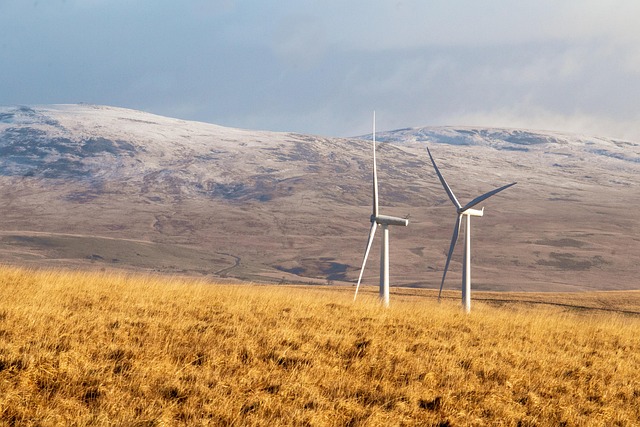
Wind power, another renewable option, can be particularly effective for homes with ample outdoor space. Small-scale wind turbines designed for residential use can supplement or even offset traditional energy consumption, leading to substantial savings for borrowers invested in energy efficient homes. Geothermal heat pumps represent a third pillar of renewable energy, providing year-round heating and cooling by harnessing the earth’s constant temperature. This technology is especially advantageous in regions with extreme climates, demonstrating the versatility of energy efficient homes across diverse geographical locations.
For sellers looking to enhance their home’s appeal to borrowers focused on sustainability, integrating these renewable energy sources can be a strategic move. Beyond the initial investment, the long-term benefits include reduced utility bills and potential tax incentives. As the demand for energy efficient homes continues to grow, understanding and incorporating these technologies will become increasingly critical for both sellers and borrowers. By embracing renewable energy solutions, homeowners not only contribute to a greener planet but also position themselves advantageously in the current real estate market.
Selling Strategies: Highlighting Energy Savings to Buyers
Selling an energy efficient home presents a unique opportunity to attract environmentally conscious buyers while showcasing a property’s long-term financial benefits. In today’s market, where energy costs continue to rise, prospective homeowners are increasingly seeking out homes that offer both comfort and cost savings. Sellers can leverage this trend by emphasizing the significant advantages of energy efficiency, positioning their properties as desirable and financially prudent choices.
One effective strategy is to highlight the tangible savings associated with these homes. Energy efficient homes naturally reduce utility expenses, which is a major concern for many buyers and borrowers. According to recent studies, homeowners can expect to save an average of 20-30% on their energy bills by adopting energy-saving measures. For instance, sellers could point out features like energy-efficient appliances, LED lighting, or advanced insulation, all of which contribute to lower utility costs. Demonstrating these savings through before-and-after comparisons or providing actual data from similar properties can be highly persuasive.
Furthermore, when presenting to potential borrowers, it’s crucial to align the energy efficiency narrative with their financial goals. Energy efficient homes borrower requirements often include lower interest rates and reduced loan amounts due to the expected decrease in long-term energy costs. This not only makes the property more affordable but also positions the seller as a forward-thinking individual who understands the evolving needs of buyers and borrowers alike. By integrating these concepts seamlessly into sales presentations, sellers can create a compelling case for why energy efficiency is not just an environmental benefit but a significant strategic advantage in today’s real estate market.