Energy efficient homes offer significant financial and environmental advantages, achieving 20-50% energy savings through advanced design, smart technology, and renewable sources. Initial costs are higher but offset by long-term savings, government incentives, and reduced carbon footprints. Strategically incorporating energy-saving features during construction or renovations enhances home value and promotes environmental stewardship. Borrowers should be aware of lender requirements and explore financial options for upgrades, maximizing utility bill savings while contributing to sustainability.
In the pursuit of sustainable living and mitigating environmental impact, energy efficient homes have emerged as a transformative solution for property owners. The global shift towards greener practices necessitates an in-depth exploration of residential energy conservation. This detailed report aims to demystify the concept, offering valuable insights into the design, construction, and retrofitting strategies that contribute to creating energy-efficient homes. By adopting these principles, homeowners can significantly reduce their carbon footprint while enjoying long-term financial savings. We delve into the practical aspects, providing a comprehensive guide to help property owners make informed decisions and embrace a more sustainable future, naturally.
Understanding Energy Efficient Homes: The Basics
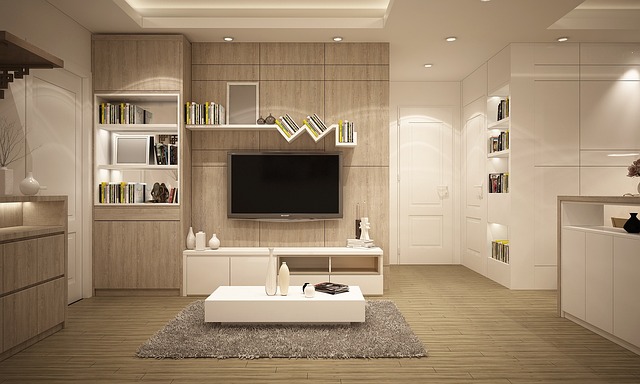
Energy efficient homes have emerged as a critical aspect of modern property ownership, offering both financial savings and environmental benefits. To understand this concept in depth, borrowers must grasp the fundamentals of what constitutes an energy-efficient home. These residences are meticulously designed and constructed to minimize energy consumption while maximizing comfort and livability. This approach not only reduces utility bills but also lowers a homeowner’s carbon footprint, contributing to a sustainable future.
Key features of energy-efficient homes include improved insulation, high-performance windows, and energy-saving appliances. Advanced HVAC systems that regulate indoor temperatures efficiently are integral to this design philosophy. Additionally, solar panels and other renewable energy sources are increasingly integrated into these homes, allowing owners to generate their own power and further reduce energy costs. According to recent studies, homes that incorporate these measures can achieve energy savings of 20-50% compared to traditional construction.
Borrowers interested in purchasing or renovating properties with these features should be aware of specific requirements. Lenders often consider the potential for energy cost savings when evaluating loans for energy-efficient homes. This may involve higher loan-to-value ratios, depending on the market and the borrower’s financial standing. For instance, a borrower looking to finance a home renovation project that includes extensive energy retrofits might find more favorable terms compared to a standard mortgage. Understanding these dynamics can help homeowners make informed decisions and access the benefits of sustainable living through enhanced borrowing options.
Benefits of Eco-Friendly Living for Property Owners
For property owners considering a future in eco-friendly living, investing in energy efficient homes presents a compelling blend of financial savings and environmental responsibility. These residences are meticulously designed to minimize energy consumption through innovative building practices, smart technology, and sustainable materials. Historically, the construction and maintenance of such homes have been perceived as more expensive upfront. However, recent trends and data paint a different picture. Studies show that while initial costs may be 5-10% higher than conventional builds, energy efficient homes often achieve savings of up to 30% on energy bills over their lifespan—a significant counterbalance to the initial investment.
The financial benefits extend beyond utility bills. Many lenders now recognize the value of these properties, offering favorable borrower requirements for energy efficient homes. Lower energy costs translate into increased disposable income for homeowners and can even accelerate debt payoff. Moreover, as government incentives and tax credits for green building practices continue to grow, these savings become even more substantial. For example, the U.S. Department of Energy’s Home Energy Retrofit Program offers grants and loans for improving energy efficiency in existing homes, further incentivizing responsible living.
Beyond financial gains, adopting eco-friendly practices contributes to a healthier environment. By reducing their carbon footprint, homeowners can feel good about their role in mitigating climate change. Additionally, these homes often boast improved indoor air quality due to the use of non-toxic materials and better insulation. This not only enhances comfort but also reduces health risks associated with poor air quality. For forward-thinking property owners, transitioning to energy efficient homes is a strategic decision that balances financial prudence with environmental stewardship—a true win-win scenario.
Designing an Energy-Savvy Home: Key Features

Designing an energy-efficient home is a strategic approach that goes beyond aesthetics to create a haven that conserves resources and reduces utility bills for property owners. The core lies in integrating smart design elements and eco-friendly technologies that work in harmony with nature, making homes not just comfortable but also environmentally sustainable. Key features of energy-efficient homes include proper insulation, optimized lighting systems, efficient appliances, and strategic window placement to maximize natural light and minimize heat transfer. For instance, a study by the U.S. Department of Energy found that properly insulated attics and walls can reduce heating and cooling costs by up to 20%.
One of the critical aspects in achieving energy efficiency is selecting the right building materials. Using high-performance windows, for example, can significantly cut down on energy loss. Advanced technologies like double-pane glass and low-emissivity coatings help regulate indoor temperatures, making homes more comfortable while reducing the environmental footprint. Additionally, incorporating smart home devices that automate temperature control, lighting, and security systems allows homeowners to optimize energy use based on occupancy and time of day. These innovations not only enhance comfort but also provide data-driven insights into energy consumption patterns.
Borrowers considering energy-efficient homes should be aware of the associated costs and potential return on investment (ROI). While upfront expenses for energy-efficient upgrades can be higher, long-term savings on utility bills make these homes attractive options. According to a report by the U.S. Green Building Council, green homes have sold for 5% to 10% more than conventional homes, demonstrating that energy efficiency is not just an environmental choice but also a smart financial decision. Incorporating energy-saving features as part of new construction or renovations can be more affordable and often qualifies homeowners for various incentives and tax credits, further enhancing the economic benefits of going green.
Implementing Green Technologies for Maximum Efficiency

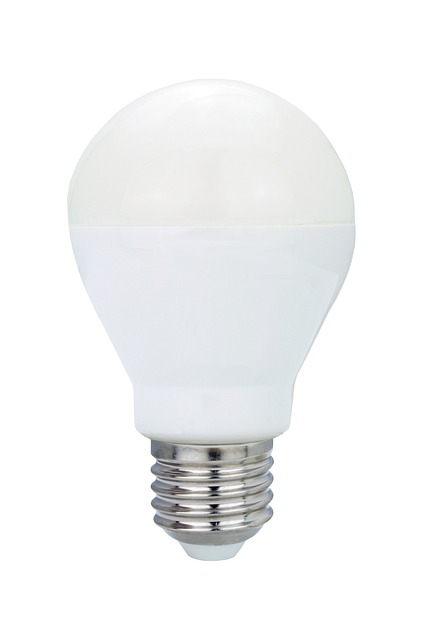
Implementing Green Technologies is a pivotal strategy for achieving maximum energy efficiency in homes, offering both environmental and economic benefits to property owners. Energy efficient homes not only reduce carbon footprints but also lower utility bills significantly over time. Among the myriad of green technologies available, smart thermostats, LED lighting, and energy-efficient appliances are proving to be game-changers. For instance, according to recent studies, LED lights use up to 75% less electricity than traditional incandescent bulbs and last for years longer, making them a wise investment for homeowners looking to enhance their energy efficient homes naturally.
To leverage these technologies effectively, borrowers considering an energy-efficient home upgrade should be aware of the associated costs and potential borrower requirements. While initial installation expenses might seem steep, many governments offer incentives, grants, or tax credits to encourage the adoption of green building practices. These financial aids can substantially offset the upfront costs, making energy efficient homes more accessible and affordable for borrowers. Moreover, long-term savings on energy bills often outweigh the initial investments, especially in regions with volatile energy prices. Borrowers interested in these upgrades should also be prepared for specific requirements from lenders, such as detailed proposals, performance data, or appraisals that factor in the increased property value attributed to green features.
Actionable steps for property owners include researching local incentives and consulting with professionals who specialize in energy-efficient home retrofits. By prioritizing energy efficient homes naturally and understanding the corresponding borrower requirements, homeowners can contribute to a sustainable future while enjoying the benefits of lower utility costs. Embracing these technologies not only enhances the comfort and value of a home but also fosters a more environmentally responsible lifestyle.
Long-Term Savings: A Comprehensive Financial Guide

Energy efficient homes offer more than just environmental benefits; they are a sound financial investment for property owners, ensuring long-term savings that can substantially impact one’s bottom line. The shift towards sustainable living is no longer a trend but a necessary step, especially with the increasing focus on reducing carbon footprints and rising energy costs. This comprehensive guide aims to demystify the financial advantages of investing in energy-efficient homes, providing homeowners and borrowers with an insightful perspective.
The journey towards long-term savings begins with understanding the inherent efficiency of these homes. Energy-efficient homes are meticulously designed or retrofitted to optimize resource usage, reducing utility bills significantly over time. Features such as advanced insulation, energy-star appliances, LED lighting, and smart thermostats are just a few examples of how these homes minimize energy consumption. According to recent studies, homeowners can expect an average 20-30% reduction in energy costs within the first five years of moving into or retrofitting an energy-efficient home. This translates to substantial savings, especially for larger properties and families with higher energy demands. For borrowers considering purchasing such homes, it’s crucial to understand that these investments often align with current market trends, making them desirable and potentially increasing property values over time.
Financial incentives further bolster the case for energy-efficient homes. Many governments and local authorities offer rebates, tax credits, and grants to encourage the adoption of sustainable living practices. These incentives can cover a substantial portion of the initial costs associated with energy efficiency upgrades. For instance, borrowers in certain regions may be eligible for up to 30% off the cost of installing solar panels or high-efficiency heating systems. Additionally, low-interest loans specifically tailored for energy-efficient home improvements are readily available, making these upgrades more accessible and affordable. By capitalizing on these opportunities, homeowners can accelerate their savings and enjoy a faster return on investment.
To maximize long-term savings, borrowers should consider the following actionable steps: evaluate their current energy usage patterns, consult with professionals to identify areas for improvement, and explore financing options tailored to their needs. Energy-efficient homes are not just a trend but a strategic financial decision that can provide consistent benefits for years to come. With the right approach, homeowners can transform their properties into money-saving oases while contributing to a greener future.