Energy efficient homes offer significant cost savings (up to 30% on utilities) and environmental benefits through strategic design like proper insulation, efficient appliances, and advanced HVAC systems. Lenders align with this trend, providing incentives for borrowers. Homeowners should assess energy usage, prioritize upgrades based on savings and impact, and explore federal/local incentives for further financial benefits. These homes also enhance safety during extreme weather and increase property value.
In today’s world, the need for energy efficient homes has never been more pressing. As environmental concerns mount, property owners are increasingly seeking ways to reduce their carbon footprint while slashing energy bills. Energy efficient homes offer a compelling solution, integrating innovative design and technology to minimize resource consumption without compromising comfort or style. This comprehensive report delves into the benefits, strategies, and best practices for creating energy-smart residences that not only save money but also contribute to a sustainable future. By exploring proven methods and leveraging expert insights, property owners can transform their homes into models of efficiency, proving that sustainability and comfort go hand in hand.
Understanding Energy Efficient Homes: The Basics
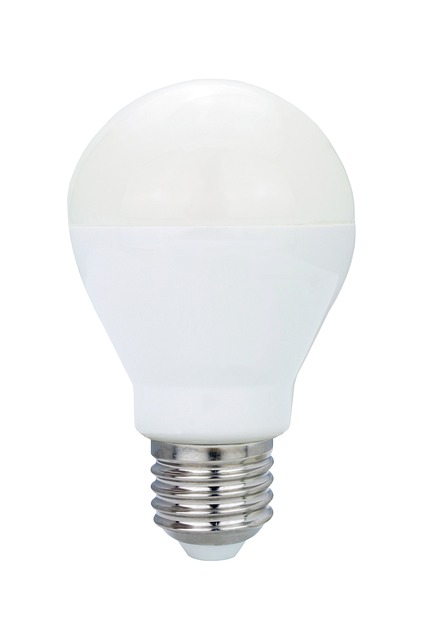
Energy efficient homes have emerged as a cornerstone of modern property ownership, offering not just environmental benefits but also significant financial savings for homeowners. To understand this concept fully, it’s essential to grasp its fundamentals. An energy-efficient home is designed and built or retrofitted with features that minimize energy consumption, reduce the carbon footprint, and optimize resource usage. This includes strategic insulation, high-efficiency appliances, LED lighting, and advanced heating and cooling systems. These measures not only contribute to a greener planet but also translate into lower utility bills for borrowers—a key consideration in today’s financial landscape.
A comprehensive study by the U.S. Department of Energy reveals that homes with energy-efficient features can save up to 30% on heating, cooling, and lighting costs compared to traditional counterparts. Moreover, these savings can be passed on to borrowers in the form of reduced mortgage payments, making energy-efficient homes a sound investment. Lenders have acknowledged this trend, incorporating borrower requirements for energy efficiency into their assessment criteria. For instance, some banks now mandate that new constructions meet specific green building standards or offer incentives for properties with certified energy ratings. This shift not only promotes sustainability but also ensures borrowers receive the best value for their money.
Homeowners interested in transitioning to energy-efficient living should consider a holistic approach. This involves assessing their current energy usage, identifying areas for improvement, and prioritizing upgrades based on both cost savings and environmental impact. For example, replacing old furnaces with high-efficiency models or installing smart thermostats can yield substantial returns. Additionally, simple changes like sealing gaps around windows and doors, using programmable thermostats, and switching to energy-efficient lighting can make significant differences. Property owners should also explore federal and local incentives, grants, and tax credits designed to encourage the adoption of energy-efficient technologies, further enhancing the financial benefits of making these upgrades.
Benefits of Green Living for Property Owners
Adopting green living practices within your home can bring a multitude of benefits for property owners, both environmentally and financially. Energy efficient homes have become increasingly popular as individuals seek to reduce their carbon footprint while also reaping substantial savings on energy bills. This comprehensive report delves into the advantages of embracing sustainability in your living space, offering an expert perspective on how such measures can enhance your property’s value and contribute to a more sustainable future.
One of the key benefits of living in an energy-efficient home is the significant reduction in utility costs. According to recent studies, homes that incorporate green features can save homeowners up to 30% on their annual energy expenses. For instance, simple measures like proper insulation, high-performance windows, and energy-efficient appliances can drastically cut down heating and cooling bills. Many borrowers are now considering the long-term financial benefits of these investments, as energy efficient homes borrower requirements often include lower interest rates and longer repayment terms, making the initial cost burden more manageable. As the price of energy continues to rise, these savings can accumulate over time, providing a substantial return on investment.
Furthermore, embracing green living aligns with broader environmental goals. By implementing energy-saving practices, homeowners contribute to reducing their household’s carbon emissions, helping to combat climate change. Many regions are incentivizing such behavior through tax credits and rebates for installing solar panels, smart thermostats, or other sustainable technologies. These incentives not only offer financial benefits but also position property owners as responsible stewards of the environment. For example, in areas prone to natural disasters, energy-efficient homes have been shown to withstand extreme weather conditions better, reducing long-term repair costs and ensuring a safer living environment.
Designing and Building Energy-Saving Abodes

Designing energy efficient homes is a holistic process that involves strategic planning, advanced building techniques, and mindful material choices. This approach goes beyond basic insulation to create abodes that seamlessly integrate with natural environments while minimizing energy consumption. For property owners considering this path, understanding the borrower requirements of energy-efficient mortgages can unlock financial incentives, making sustainable living more accessible. According to recent data, homes built with energy efficiency in mind can achieve up to 50% lower utility bills for occupants, demonstrating significant long-term savings.
Key strategies include passive solar design, where buildings are oriented to maximize sunlight during colder months, reducing heating needs. Additionally, proper window placement and high-performance glass significantly impact thermal comfort. For instance, using double-paned windows with low-emissivity coatings can prevent heat loss in winter while keeping interior spaces cool in summer. Efficient appliances, LED lighting, and smart thermostats are other essential components. These technologies not only reduce energy usage but also provide data-driven insights to optimize living patterns.
Building envelope enhancements, such as airtight construction and high-R value insulation, significantly improve energy performance. These measures prevent heat gain or loss, enhancing indoor comfort while reducing the load on heating and cooling systems. Energy efficient homes, in essence, are designed to be comfortable, sustainable, and cost-effective. Borrowers interested in these properties should prepare for a deeper understanding of their energy consumption patterns and be ready to meet specific criteria set by lenders offering energy-efficient home loans, which can vary but generally prioritize energy savings and long-term environmental benefits.
Implementing Practical Strategies for Home Efficiency
Creating energy efficient homes is a multifaceted process that requires strategic planning and practical implementation. Property owners have an opportunity to significantly reduce their carbon footprint and utility bills by adopting various measures that make their homes more eco-friendly. One of the key aspects often overlooked is the integration of energy efficiency as an inherent part of the home design and renovation process, rather than an afterthought. This involves a holistic approach that encompasses everything from smart insulation strategies to well-designed ventilation systems. For instance, using natural materials like cellulose insulation, which has excellent R-values, can enhance a home’s thermal performance, making it more comfortable and reducing energy consumption for heating and cooling.
Implementing practical strategies requires understanding the unique climate and environmental conditions of the region the home is located in. In colder regions, efficient homes might focus on robust insulation and double-glazed windows to minimize heat loss, while in warmer climates, strategic shading, reflective roofs, and cross-ventilation become crucial. A comprehensive report by the U.S. Department of Energy highlights that proper ventilation can reduce energy consumption for heating and cooling by up to 30%. Smart thermostats, programmable thermostats, and energy-efficient appliances are also essential components in this equation. These devices not only help regulate indoor temperatures but also encourage responsible energy usage patterns among occupants.
For borrowers considering investing in energy efficient homes, it’s important to note that the long-term savings can outweigh the initial costs. Many financial institutions now offer specialized loans and incentives for energy-efficient home improvements, making these upgrades more accessible. These borrower requirements often include specific energy efficiency standards that must be met, such as achieving a minimum Energy Star rating or implementing certain retrofitting measures. By adhering to these guidelines, property owners can secure not only environmentally sustainable homes but also significant financial benefits over time. This includes reduced utility bills, potential tax credits, and increased home value due to the growing demand for energy-efficient properties.