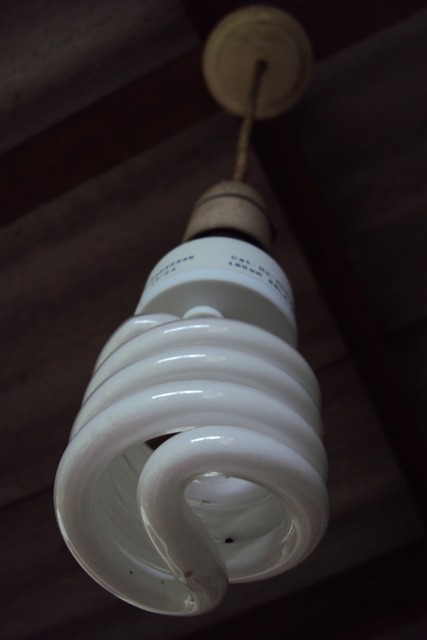
Energy efficient homes offer significant financial and environmental benefits, reducing utility bills by 20-30% and lowering carbon footprints. Key strategies include improving insulation, installing high-performance windows, using energy-efficient appliances, and adopting smart home technology. Upgrades range from DIY to complex renovations, with professional advice ensuring tailored recommendations. These homes incorporate natural designs like proper insulation, sun orientation, and sustainable materials. Lenders provide specialized financing with lower rates and flexible terms for energy-efficient upgrades, encouraging eco-conscious living. Implementing green practices, such as sealing gaps and choosing efficient appliances, further enhances energy conservation.
In today’s world, the need for energy efficient homes has become paramount as property owners seek sustainable solutions to reduce environmental impact and lower living expenses. The rising cost of energy and growing awareness of climate change have prompted a shift towards more eco-friendly housing options. This detailed report aims to provide homeowners with a comprehensive understanding of energy efficient practices, offering practical insights into how they can transform their properties into comfortable, cost-effective, and environmentally conscious habitats. By exploring various strategies, from insulation upgrades to renewable energy integration, we empower property owners to make informed decisions that contribute to both personal savings and global sustainability.
Understanding Energy Efficient Homes: Basics and Benefits
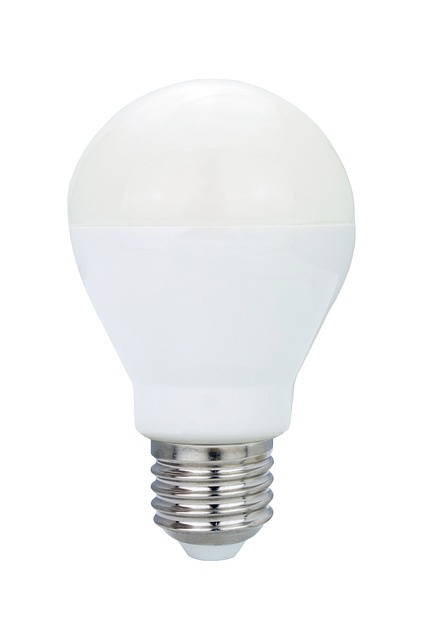
Energy efficient homes have emerged as a game-changer in the property sector, offering a win-win situation for both owners and the environment. These homes are designed to reduce energy consumption through strategic building practices, advanced technologies, and smart design choices. The primary focus is on minimizing power usage without compromising comfort or lifestyle, making them an attractive option for borrowers looking to save costs and contribute to sustainability.
At its core, achieving energy efficiency involves sealing gaps in insulation, installing high-performance windows, and utilizing energy-efficient appliances and lighting. For instance, a well-insulated attic can significantly cut down on heating and cooling bills. Modern smart thermostats also play a vital role, allowing owners to program temperatures remotely and optimize energy use based on occupancy, resulting in substantial savings. Many borrowers are discovering that investing in these upgrades can lead to long-term financial benefits through lower utility expenses. The U.S. Department of Energy reports that homes with energy-efficient features can save up to 30% on heating and cooling costs compared to traditional homes.
Beyond financial incentives, energy efficient homes contribute to a greener planet by reducing carbon footprints. Borrowers who embrace these concepts not only lower their environmental impact but also set themselves apart in a market where sustainability is increasingly valued. As the world moves towards more sustainable living practices, understanding and adopting energy-efficient home principles can be a strategic move for property owners, ensuring both current and future benefits.
Assessing Your Home for Energy Efficiency Improvements

Assessing Your Home for Energy Efficiency Improvements is a crucial step for property owners aiming to create more sustainable and cost-effective living spaces. An energy efficient home not only reduces utility bills but also contributes positively to environmental conservation. To start this journey, homeowners should conduct a thorough audit of their current energy usage patterns and identify areas where improvements can be made. This process involves examining the building envelope, heating and cooling systems, lighting, appliances, and insulation—all integral components that impact a home’s overall energy efficiency.
A comprehensive assessment begins with an analysis of your utility bills to understand energy consumption trends over time. Comparing these data points against similar homes in your region can provide valuable insights into areas where your property excels or falls short. For instance, higher-than-average heating costs could indicate inadequate insulation or outdated heating systems, while excessive electricity usage might point to inefficient lighting or appliance operation. Moreover, modern energy efficient homes borrower requirements often incentivize these upgrades through financial assistance programs and tax credits. According to recent studies, homes that incorporate energy efficiency measures can reduce utility bills by 20-30%, making the initial investment a sound long-term decision.
Once identified, specific improvements can range from simple DIY projects like replacing old light bulbs with LED models, sealing air leaks around doors and windows, or upgrading to Energy Star-rated appliances, to more complex renovations such as installing a high-efficiency furnace or adding solar panels. Each step should align with the home’s unique needs and budget constraints. Property owners can benefit from seeking professional advice to ensure the most effective upgrades. An expert assessment will provide tailored recommendations, ensuring that every dollar spent contributes significantly to creating an energy efficient home.
Designing and Building Energy-Efficient Homes Naturally

Designing and constructing energy-efficient homes naturally has emerged as a crucial aspect of modern property ownership, offering both environmental benefits and significant long-term savings for borrowers. As the world grapples with climate change, homeowners are increasingly recognizing the value of sustainable practices in their living spaces. This shift is not only beneficial for the planet but also translates into reduced utility bills for residents.
Energy efficient homes naturally incorporate a range of strategies that minimize energy consumption and maximize passive design elements. For instance, proper insulation, well-designed orientation to the sun, and the use of natural ventilation can drastically reduce heating and cooling demands. Borrowers investing in these features often see substantial returns on their investment, with studies indicating that energy-efficient homes can command higher prices and shorter sales times. The U.S. Department of Energy estimates that efficient home design can save families up to 30% on their energy bills—a compelling argument for any prospective homeowner or borrower.
A key consideration for builders and owners is selecting materials with lower environmental impacts. This might include using locally sourced, sustainable timber, recycled steel, or natural fibers in construction. These choices not only reduce the carbon footprint of the home but also contribute to a healthier indoor environment. Additionally, incorporating smart technology allows homeowners to monitor and optimize energy use, further enhancing the efficiency of these naturally designed homes. As the demand for energy efficient homes continues to grow, borrowers can expect to find more financing options tailored to these sustainable projects, with some lenders offering specialized loans or incentives to promote eco-friendly building practices.
Key Features of Energy-Saving Home Systems and Appliances

Energy-efficient homes have emerged as a cornerstone of modern property ownership, offering significant financial savings alongside environmental benefits. At their core, these homes are characterized by systems and appliances designed to minimize energy consumption. Key features include advanced insulation, smart thermostats, and high-efficiency lighting—all contributing to reduced energy use. For instance, according to the U.S. Department of Energy, a well-insulated home can save up to 20% on heating bills and 10% on cooling costs.
One of the most impactful innovations is the adoption of smart home technology. These systems allow owners to monitor and control energy usage in real time, optimizing comfort while minimizing waste. For example, a smart thermostat like Nest can learn residents’ habits and automatically adjust settings, reducing energy consumption by up to 12% annually. Additionally, energy-efficient appliances, such as those carrying the ENERGY STAR label, play a vital role in making homes more sustainable. These appliances are designed to use less electricity or water without sacrificing performance, with data showing that replacing old appliances can lead to savings of up to $700 per year for the average household.
Borrowers considering energy-efficient homes should be aware of the associated benefits and potential challenges. While initial installation costs may be higher, long-term savings on utility bills can offset these expenses quickly. Moreover, many lenders have introduced specialized loan programs for energy-efficient homes, making them more accessible to borrowers. These programs often offer lower interest rates and flexible terms, incentivizing homeowners to invest in sustainable living. For instance, the Department of Energy’s Home Energy Retrofitting Loan Program provides financing for energy-saving improvements, helping property owners achieve greater energy efficiency without a significant financial burden.
Implementing Green Practices for Daily Energy Conservation
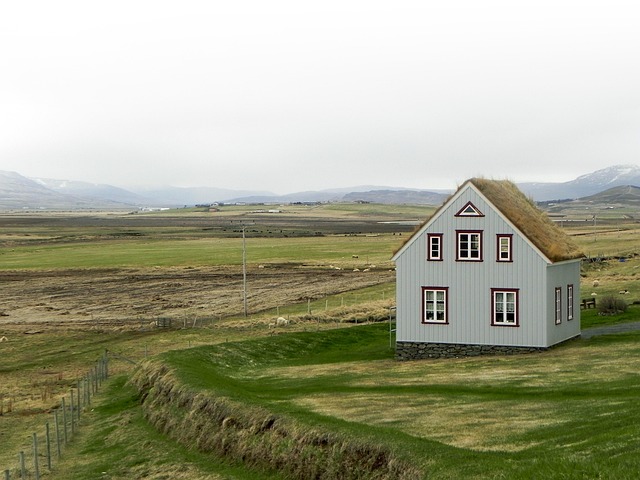
Implementing Green Practices for Daily Energy Conservation is a key aspect of living in energy efficient homes naturally. This involves adopting strategies that reduce energy consumption while promoting sustainability. Simple actions like sealing gaps around doors and windows, using programmable thermostats to manage heating and cooling, and opting for energy-efficient appliances can significantly lower energy bills. For instance, according to the U.S. Department of Energy, replacing an old refrigerator with a model that has earned an ENERGY STAR label can save up to $250 annually.
In the quest for energy efficient homes, borrowers should be aware of the borrower requirements associated with green home loans. Lenders often offer incentives and lower interest rates for individuals who invest in energy-efficient features. This financial support makes it easier for property owners to implement changes that enhance their homes’ energy efficiency. For example, some lenders may require a specific Home Energy Score or demand evidence of reduced energy consumption post-renovation. Understanding these requirements beforehand can streamline the process and ensure a smoother transition towards more sustainable living.
Beyond individual actions, community efforts play a crucial role in creating a culture of energy conservation. Many neighborhoods are now adopting green practices at a local level, such as installing community solar panels or implementing smart grid technologies. These collaborative initiatives not only benefit individual homes but also contribute to the overall resilience and sustainability of the area. Property owners can participate by staying informed about local programs, engaging with community groups, and advocating for policies that promote energy efficiency in their regions.
By integrating these practices into daily routines and working collaboratively within communities, property owners can contribute to a broader movement towards more energy efficient homes naturally. This not only reduces environmental impact but also offers financial benefits through lower energy bills and potential savings on borrower requirements associated with green home loans. Ultimately, embracing sustainability in everyday life is a powerful step towards a greener future.
Long-Term Savings: Financial and Environmental Impact
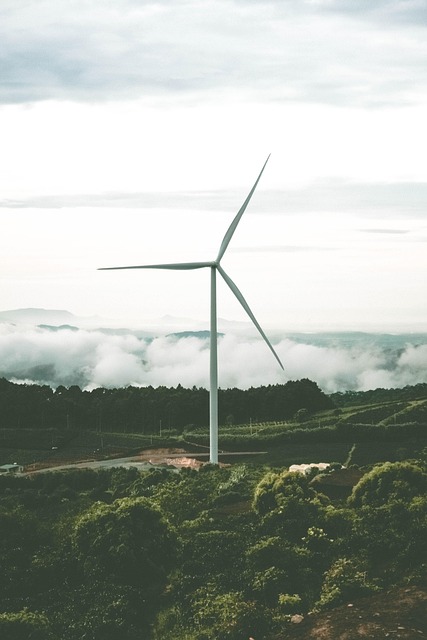
Energy efficient homes offer a compelling combination of long-term financial savings and environmental benefits. Homeowners investing in energy efficiency measures can significantly reduce their utility bills over time, with some studies showing potential savings of 20-30% on energy costs compared to conventional homes. These savings are particularly attractive for borrowers considering the long-term financial impact. For instance, a study by the U.S. Department of Energy found that homeowners who made energy efficiency upgrades experienced an average annual energy cost reduction of $450. Such substantial savings can translate into quicker amortization of investment and improved cash flow for property owners.
Moreover, energy efficient homes contribute to a reduced environmental footprint. By minimizing energy consumption, these homes help decrease greenhouse gas emissions and lower reliance on non-renewable resources. This is especially significant as we navigate the challenges of climate change. The Environmental Protection Agency (EPA) estimates that adopting energy-efficient practices in buildings could reduce U.S. carbon dioxide emissions by over 2.3 billion metric tons through 2050. Borrowers interested in green initiatives can often access incentives and grants to offset initial investment costs, making energy efficient homes an even more appealing option.
When considering energy efficient homes, borrowers should be aware of the various requirements and opportunities available. Lenders are increasingly offering specialized mortgage products tailored to energy-efficient upgrades, with lower interest rates and flexible terms. These programs encourage homeowners to make their properties more eco-friendly. For instance, some lenders provide loans specifically for home energy retrofits, allowing borrowers to finance improvements like insulation, high-efficiency appliances, or renewable energy systems. By availing these options, property owners can make substantial upgrades while minimizing out-of-pocket expenses and reaping long-term benefits.